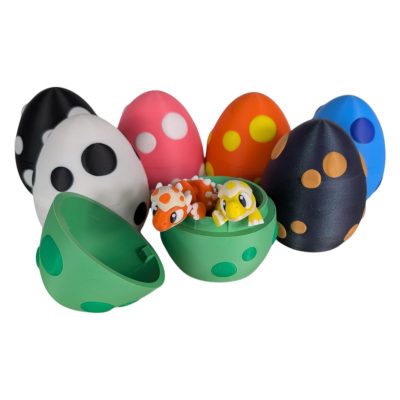
A comic shop needs more than a broad catalogue: it needs products that belong beside its books and terms it can use to plan stock. This page helps owners and buyers describe an assortment, whether they run an independent storefront, an online shop or several locations.
Start with the range and the receiving destination. Then add any colour, product-information or language requirements. Finished wholesale stock is a distinct route from obtaining files to print yourself or commissioning your own character merchandise. The sections below keep those buying tasks separate and help you prepare a quote request with fewer missing details.
Build a wholesale inquiry around your comic shop
A comic shop buying figurines needs a range that fits its customers, shelves and working capital. Start with your buying purpose: complementary reader gifts, a small counter selection or a new decorative collectible category. An independent store, a comic-and-gaming shop and a multi-location retailer may need different assortments even when they like the same designs.
Send a shortlist of current products and describe the space available. State whether stock will be sold in a physical store, through your own website or at events. Include the delivery location, quantity range and preferred receiving date. These details help distinguish a realistic stock request from a general catalogue enquiry.
Questions to settle in the quote
- Which designs and quantities can be included, and can the assortment be mixed?
- What minimum, price and payment terms apply to this order?
- What packaging and product information will accompany the stock?
- How are availability, reorders and damaged deliveries handled?
Buying finished stock is different from obtaining print files or permission to manufacture designs yourself. A wholesale inquiry also does not establish rights to sell a custom character project.
Request a reviewed wholesale assortment. Use the written quote for the agreed combination of products and terms rather than extrapolating from a general planning example.
Give the supplier a receiving plan, not just a province
For a Canadian retail order, the destination details help define the quote. Provide the complete delivery address, whether it is a store or another receiving location, receiving hours and a contact who can accept the shipment. If stock is needed for a display change, specify when it must be available to staff, not only the date customers will first see it.
Ask the quote to distinguish product availability or production timing from transport. Receiving, inspection and shelf preparation happen after arrival and should be part of your own schedule. Do not infer a delivery window from the fact that the supplier and your shop are both in Canada.
For several locations, explain whether you plan to receive centrally and redistribute or want a different arrangement considered. Separate addresses can affect the request; a quote for one destination does not automatically include multi-location distribution.
Send the assortment, quantities and receiving details together. Ask which delivery costs and conditions apply to that order. If your destination is in the United States, identify it at the start and obtain the applicable current terms; do not transfer Canadian shipping assumptions to a cross-border shipment.
Specify the French information your Quebec shop needs
A Quebec comic retailer may need different information for the buyer, the store team and the end customer. Separate those needs in your inquiry: a quotation in French, product descriptions for your website, care instructions or information on the packaging. Do not assume that one bilingual page means every document and label is available in both languages.
For each selected item, ask which fields can be supplied and which usage permissions apply to images and descriptions. Keep the supplier’s item reference alongside your French retail name so staff can reorder the correct variant even if the display wording differs.
If your shop serves both French- and English-speaking readers, plan how the product information will be presented without changing the substance. Dimensions, materials, intended use and order quantities should remain consistent between language versions. A translated description should not add a promise missing from the confirmed product information.
Describe your language and product-data requirements in the wholesale inquiry. Include the destination and sales channels. Request confirmation of the specific French materials you need rather than announcing bilingual packaging before its availability has been established.
Ask about a catalogue colourway without assuming exclusivity
A colourway request starts with an eligible catalogue design and the quantities you want quoted. Identify the exact item, the colours you have in mind and whether every piece should use the same combination. A colour reference helps communicate the request, but it is not a guarantee of an exact match in the finished material.
Ask which colour options and quantity conditions can be considered for the chosen design. Separate a request for a particular colour from a request for exclusivity. An unusual combination does not automatically prevent the same design or colour from being offered elsewhere, and a description such as “limited edition” should not be used without an agreed basis.
This is a wholesale stock inquiry. It is different from commissioning a new personal character, and it does not give the retailer ownership of the underlying design. If you want changes to shape, branding or packaging as well as colour, state those as separate questions.
Request a colourway review for the selected catalogue items. Before advertising the assortment, obtain confirmation of the permitted design, colour description, quantities and resale terms in the quote. Keep any sample or reference associated with that approved description.
Plan physical stock for an online comic store
An online retailer buying wholesale goods should establish who holds the stock and who fulfills the final customer order. Do not assume the supplier will ship individual parcels to your shoppers, synchronize inventory or provide an integration simply because you sell online.
Describe your website and any other intended sales channels in the inquiry. For your listing, obtain the actual product dimensions, material, variant identifiers and permitted marketing assets. Photograph or describe the item accurately; do not add franchise affiliations, safety claims or finish promises that the supplier has not confirmed.
Keep incoming stock separate from units available to promise to customers until your receiving process is complete. A supplier quote for future stock is not the same as inventory on your shelf. If your store also sells at conventions, record transfers so the same unit is not promised through two channels.
Request terms for finished stock held by your business, explaining where you intend to sell it and where it will be delivered. Ask separately about any marketing-content permission you need. Dropshipping, white-label packing and automated fulfillment remain separate questions, not included features of a general wholesale purchase.
Download the bilingual comic-shop supplier checklist and worked example (PDF).
Ready to start with
-

-
-

-
VALUE PACK