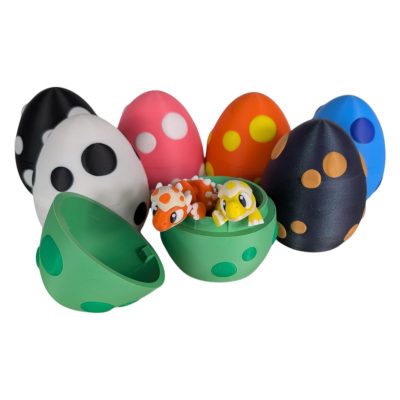
A first order is more useful when you know what you want to learn from it. Choose a customer need, reserve a realistic display area and record how much cash the proposed stock would commit. Then compare the assortment using your own costs and observations.
This guide combines a blank selection record, counter-display decisions and the distinction between margin and markup. Any arithmetic example is illustrative; it is not a quote or a prediction of sales. Keep the supplier’s confirmed terms beside your worksheet so internal assumptions do not turn into promises about price, availability or replenishment.
Plan a first assortment you can evaluate
A first figurine order should answer a clear retail question. Are adult readers interested in small desk gifts? Do fantasy-themed pieces complement the titles you carry? A focused selection is easier to learn from than a large assortment with no explanation for why each design was chosen.
Use three inputs: your observed customer interests, the usable display footprint and the amount you are prepared to commit to the trial. For each proposed item, record the design, dimensions, planned quantity and reason it belongs. A manga specialist might test decor relevant to its readers without claiming an affiliation with a manga publisher; a hybrid shop should distinguish gift selection from gaming utility.
| Field | Your note |
|---|---|
| Customer need | Who would choose this piece and for what use? |
| Display | Available width, depth and safe handling space |
| Order | Requested quantity and confirmed delivered cost |
| Review | Observation dates and actual units sold |
A hypothetical trial could compare a compact gift grouping with a larger display piece, but the quantities should follow the actual quote and your space. No assortment is a proven best seller just because it looks coherent. Send your proposed mix for a quote before committing inventory funds.
Choose counter pieces without crowding the transaction
A counter display competes with the space needed to bag books, process payments and answer customer questions. Measure the area that can remain occupied during a busy transaction, not the entire empty countertop. Leave room for staff to see and handle the products without reaching across a customer’s purchase.
Compare small collectibles by complete footprint, visibility and handling requirements. A product with fine projecting details may need a different presentation from a compact piece. Ask what packaging is actually supplied and whether customers can understand the size and intended use without opening it.
Choose a reason for each item to sit beside the comics: a gift for an adult reader, an original fantasy theme or a small decorative object. Do not label the selection an impulse-sales winner without observing what happens in your shop. Record the display period, units offered, units sold and customer questions; a quiet result may reflect placement or relevance rather than a general judgment about all figurines.
For a practical inquiry, send the counter dimensions and a shortlist of designs. Ask about product and packaging details before assuming that a free display fixture, barcode system or ready-made counter pack is included.
Compare margin, markup and cash committed to stock
A wholesale quote is only one input in the economics of an assortment. Record the cost of the goods, shipping and any other nonrecoverable charges that belong to the order. Decide how you will allocate shared costs across the units, then use the same method when comparing assortments. Keep recoverable taxes separate according to your own accounting treatment.
- Allocated unit cost: the unit’s purchase cost plus its allocated share of order costs.
- Gross margin percentage: (selling price minus allocated unit cost) divided by selling price, multiplied by 100.
- Markup percentage: (selling price minus allocated unit cost) divided by allocated unit cost, multiplied by 100.
Illustrative arithmetic only: if the selling price is twice the allocated unit cost, the markup is 100% and the gross margin is 50%. That is not a quoted price, an expected margin or net profit. Staff time, rent, payment fees and other operating costs still matter.
Also track unsold units. A high theoretical margin on an item that has not sold does not return the cash committed to it. Compare actual sales, remaining stock and damaged or discounted units over a stated period.
Request the product and delivery figures for your assortment, then enter your own selling prices and operating assumptions. Do not use an example calculation as evidence that the order will be profitable.
Ready to start with
-

-
-

-
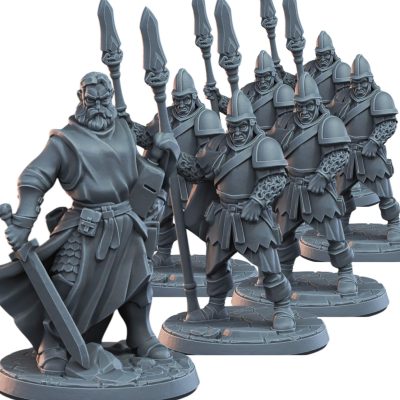
VALUE PACK