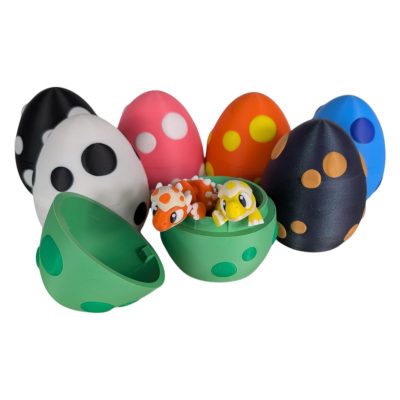
How do you turn a photo into a 3D figurine?
To turn a photo into a 3D figurine, you upload one clear, well-lit picture, an AI engine reconstructs a 3D model from it, a human artist refines the likeness, and the model is printed in full colour and shipped to you. The fastest reliable path in 2026 looks like this: pick a sharp front or three-quarter photo at 1000×1000 pixels or larger, choose a size (a 4 cm desk piece or a 6 cm collector bust), submit it, then approve a live 3D preview before you pay. At 3DCentral the whole pipeline is AI-assisted and human-finished, printed in Quebec, and delivered across Canada in days with no customs or duties. Custom figurines start around $37 CAD. Below is the full step-by-step, plus an accuracy-and-price table and an FAQ most guides leave out.
What kind of photo works best for a 3D figurine?
The single biggest factor in a good likeness is the photo you start with. AI reconstruction and the artist who finishes it can only work with what the image shows, so picture quality matters more than anything else.
What makes a good source photo?
- Sharp focus, no motion blur. Faces, hairlines, and edges should be crisp.
- Even, soft lighting. Front or window light beats harsh shadows or a single hard flash.
- Front view plus a three-quarter angle. If you can submit two photos, a straight-on shot and a 45-degree angle give the engine real depth cues.
- At least 1000×1000 pixels. Higher resolution preserves fine detail like glasses, jewellery, and fabric texture.
- Clear separation from the background. A plain wall or simple backdrop helps the subject get isolated cleanly.
- Whole subject in frame. For a full-body figurine, include the full pose; for a bust, frame head and shoulders.
What should you avoid?
- Heavy filters, beauty smoothing, or AR effects that distort real features.
- Sunglasses, deep cap shadows, or anything hiding the eyes and face shape.
- Tiny, cropped, or screenshot-of-a-screenshot images under 1000 pixels.
- Group shots when you only want one character (each extra character adds cost).
How does AI-assisted, human-finished figurine creation actually work?
“Turn a photo into a figurine” is really a pipeline, not a single button. Here is what happens behind the scenes at a print farm that does it properly.
Step 1: Upload your photo
You submit one or two images and tell the studio what you want, the size, full body or bust, and any notes such as “keep the team jersey” or “smiling, please.”
Step 2: AI reconstructs a 3D model
An AI engine converts your 2D photo into a 3D mesh, inferring depth, proportions, and colour. 3DCentral runs a dual-engine setup, Tripo plus Hyper3D Rodin, auto-routed so each job goes to the model that handles that subject best. This is AI-assisted, built from your concept, not “100% AI with no human in the loop.”
Step 3: A human artist finishes the likeness
This is the step cheap pipelines skip. A real artist cleans up the mesh, fixes faces and hands, sharpens the likeness, prepares colour, and makes the model printable. Human finishing is the difference between “kind of looks like me” and “that’s clearly them.”
Step 4: You approve a live 3D preview
Before any payment is finalized, you see a live, in-browser 3D preview you can rotate. If it is not right, you say so. This preview-approval step protects you from paying for a miss.
Step 5: Full-colour printing and shipping
The approved model is printed in full colour on the Quebec print farm and shipped, for Canadian buyers, with no customs or duties and CAD pricing. Most orders arrive in days, not weeks.
Should you choose a bust or a full-body figurine?
Both start from the same photo, but they flatter different sources.
- Bust (head and shoulders): best when your strongest photo is a portrait. More of the budget goes into facial likeness, so it is the safest choice for gifts and memorials.
- Full body: best when you have a clear full-length photo and want pose, outfit, and props captured, sports kit, a wedding dress, a pet’s stance. It needs a better source image to look right.
If you are unsure, a 6 cm bust is the most forgiving balance of detail and price for a single character.
What affects accuracy and price?
Most “best custom figurine” guides never show you this. Here is a plain table of what moves the needle on both likeness and cost.
| Factor | Effect on accuracy | Effect on price |
|---|---|---|
| Photo sharpness & resolution (≥1000x1000px) | High, the #1 driver of likeness | None |
| Front + three-quarter angles supplied | High, adds real depth cues | None |
| Figurine size (4 cm → 6 cm → larger) | Bigger = finer detail visible | Higher with size |
| Bust vs full body | Bust concentrates detail in the face | Full body uses more material |
| Number of characters | Neutral per character | Each extra character adds cost |
| Full colour finishing | High realism | Included in full-colour pieces |
| Human artist finishing | High, fixes faces & hands | Built into reputable studios |
How much does a custom figurine cost in Canada (2026)?
Pricing depends mostly on size and whether you are billed in Canadian dollars or US dollars, which matters once exchange, customs, and duties are added. Here is a like-for-like single-character comparison.
| Size (1 character) | 3DCentral (CAD, ships from Quebec) | Typical overseas studio (USD, ships internationally) |
|---|---|---|
| ~4 cm | From ~$37 CAD (Studio) | $29.99 USD |
| ~6 cm | ~$89 CAD (Signature) | $69.99 USD |
| ~10 cm | Larger sizes available, quoted in CAD | $169.99 USD |
| Currency & duties | CAD pricing, no customs or duties for Canadians | USD pricing; customs/duties fall on the Canadian buyer |
| Shipping origin & time | Quebec, Canada, arrives in days | International transit, often ~7-12+ days |
The USD figures above reflect publicly listed prices at one overseas studio, JuJuBit, which ships from Hong Kong, runs an English-only site with no French, uses a single Tripo AI engine, and applies a final-sale policy with a two-hour cancellation window. For a Canadian buyer, the sticker price is only part of the story once exchange rate, transit time, and potential customs and duties are added.
How does the 3D preview and approval protect you?
A trustworthy custom-figurine service shows you the result before it charges you. With 3DCentral’s live in-browser 3D preview, you rotate the model and confirm the likeness during a fair preview-approval step, not after the package has already shipped. Compare that to a final-sale model where cancellation closes within two hours and changes afterward depend on submitting photo or video proof. Seeing and approving the actual 3D model first removes most of the guesswork.
What happens to your photos and privacy?
Uploading a face deserves real privacy answers. At 3DCentral, custom-figurine handling follows Quebec’s Law 25 and Canada’s PIPEDA, your photos are deleted after your order is fulfilled, and they are never used to train AI models. Because production and data both stay in Canada, your image is not shuttled through an overseas pipeline. If a service cannot tell you where your photo is processed, how long it is kept, and whether it trains their models, treat that as a red flag.
Turn your photo into a figurine
If you have a sharp, well-lit photo, you are ready. Submit it, pick a size, and approve your live 3D preview before you pay, printed in full colour in Quebec and shipped across Canada in days with no customs or duties. Start your figurine from a photo at 3DCentral.
Note: custom likeness figurines are personal-use keepsakes and are not covered by 3DCentral’s Commercial License, which applies only to original 3DCentral catalogue designs.
FAQ
How many photos do I need to turn a photo into a 3D figurine?
One sharp, well-lit photo is enough to get started. For a stronger likeness, supply two: a straight-on front view and a three-quarter (45-degree) angle, each at least 1000×1000 pixels. More angles give the AI better depth cues, which the human artist then refines.
Is the figurine made 100% by AI?
No. It is AI-assisted and human-finished, built from your concept. An AI engine (3DCentral uses a dual Tripo + Hyper3D Rodin setup, auto-routed) reconstructs the initial 3D model, then a human artist corrects faces and hands, sharpens the likeness, and prepares it for full-colour printing.
Can I see the figurine before I pay?
Yes. 3DCentral shows a live, in-browser 3D preview you can rotate and approve before payment is finalized. This fair preview-approval step lets you confirm the likeness first, rather than discovering a miss after the order has already shipped.
Will I pay customs or duties on a custom figurine in Canada?
Not with 3DCentral. Figurines are printed in Quebec and shipped within Canada with CAD pricing and no customs or duties. Studios that ship internationally from overseas, such as from Hong Kong, can leave customs and duties to be paid by the Canadian buyer on arrival.
How much does a custom figurine cost?
At 3DCentral, single-character figurines start around $37 CAD for a 4 cm Studio piece, with a 6 cm Signature bust around $89 CAD. Price rises with size, full body versus bust, and the number of characters. All pricing is in Canadian dollars.
What happens to my photo after the order?
At 3DCentral your photo is handled under Quebec’s Law 25 and Canada’s PIPEDA, deleted after your order is fulfilled, and never used to train AI models. Production and data stay in Canada, so your image is not routed through an overseas pipeline.
Ready to start with
-
-
-
-
VALUE PACK