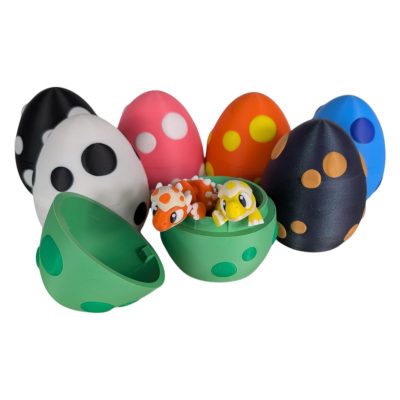
Build a physical assortment around your customers, available display space and buying process. Specialist stores, online dealers, show vendors and cultural shops have different needs; explain yours in the quote request. Use the confirmed assortment, quantities and delivery terms to make the purchase decision, rather than assuming every product or service fits every retailer.
Source a collectible assortment for your store
Begin a wholesale inquiry with the customers you serve and the shelf space you can commit. A specialist collector shop may need a focused artist or subject selection; a broader retailer may prefer several visually distinct themes. Neither approach guarantees sales, so make the initial decision from your own customer knowledge and budget.
Send a quote-ready buying brief
- Business name, sales channel and delivery location.
- Preferred themes or specific product references.
- Indicative quantities and whether you need a mixed assortment.
- Available shelf dimensions and any packaging or product-information requirements.
- Required date and whether this is an opening order or a reorder.
Ask the quote to confirm product eligibility, minimum quantities, mix rules, prices, delivery arrangements and reorder terms. Do not assume a planning example defines your order minimum.
Wholesale finished stock and digital printing rights are different purchases. Buying figurines does not supply their model files. Custom merchandise based on your own artwork also needs a separately accepted scope.
Request a collectible assortment quote. Keep the accepted quote with your product list so receiving and later reorders use the same references.
Prepare collectible stock for an online store
An online buyer cannot inspect your shelf before ordering. Plan how you will show dimensions, colour, material and designer attribution for the exact stock you receive. Clear information is more useful than copying a long generic description into every product page.
Before listing the assortment
- Confirm which images and descriptions you have permission to reuse.
- Match each listing to the supplied product reference and variant.
- Decide how you will check, store and pack the physical inventory.
- Separate your own customer delivery and returns arrangements from your supplier’s terms.
- Keep a record of stock received, sold and reserved.
Buying wholesale inventory does not establish dropshipping, marketplace integration or permission to use an artist’s unrelated artwork. Confirm any additional arrangement explicitly rather than building your store around an assumption.
If you plan to sell through several channels, explain them in the inquiry so product and image-use questions can be addressed together. Request physical stock for your online store with your intended assortment and delivery location.
Plan a collector-show order around the event date
For a toy fair or collector market, the important date is when you need to receive and check the stock—not just opening day. Include time for inspecting the delivery, preparing labels and packing your display.
A dealer’s event checklist
- Confirm the event’s selling rules and your available booth dimensions.
- Choose products that suit your customers and can be displayed without crowding fragile details.
- Calculate transport and storage space for both display stock and backup units.
- Provide the receiving deadline, quantities and delivery address when requesting a quote.
- Record what sells by product, not only the total day’s revenue.
Ask which packing details and lead times can be confirmed for your order. A requested date is not a guaranteed arrival date, and a catalogue listing is not a reservation of production capacity.
After the show, compare remaining stock with actual sales before repeating the order. Seasonal pieces may need a different plan from designs you sell year-round. Request a quote for event stock with the show date and your earlier receiving deadline.
Select attributed pieces for a gallery or museum shop
Begin with the exhibition or audience connection. A product belongs in an institutional shop because its subject, design or making process fits the shop’s purpose—not simply because it is called collectible.
Prepare an institutional buying brief
- Exhibition theme or visitor interests and the retail space available.
- Preferred subjects, dimensions and price-positioning goals for discussion.
- Required designer attribution and product information.
- Quantity, receiving deadline and internal purchasing approval process.
- Any image-use, packaging or documentation requirements to confirm.
Check the distinction between the artist who designed a piece and the business producing it. Do not imply that an artist, museum or exhibition endorses a product unless that relationship is established.
For several locations, agree who approves the assortment and how product references and quantities will be allocated. A display sample, an exclusive edition or custom institutional design requires its own accepted arrangement; none follows automatically from a wholesale inquiry.
Request an attributed collectible assortment with the institution’s practical requirements. If the project involves your own original design, identify that separately for a scoped review.
Ready to start with
-
-
-

-
VALUE PACK