A nature-themed gift can recall a species, a landscape or time spent outdoors without being intended for outdoor use itself. Choose a decorative collectible for an adult’s indoor display, then check the particular product if a different location is important.
Wildlife Figurines: Bringing Nature Indoors
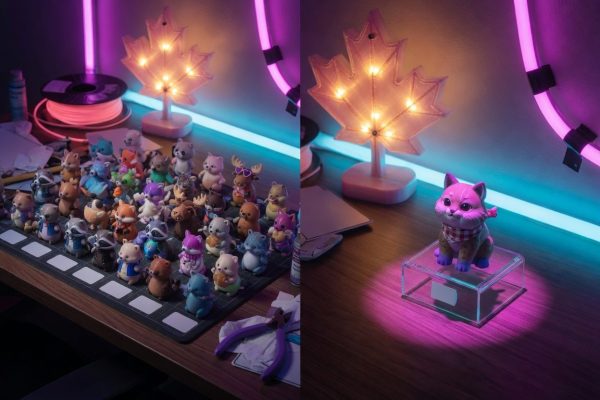
Start with the animal the recipient actually enjoys. A stylized fox, bird or fantasy creature serves a different purpose from a scientifically accurate model. Compare the listing’s photographs and description rather than assuming anatomical accuracy. For a collection, check the space around neighbouring pieces and the base footprint.
Garden Inspiration: Beyond the Basic Gnome
A gnome or woodland figure can evoke a garden on an indoor shelf. The theme is not evidence of resistance to rain, sunlight, frost or repeated temperature changes. Do not place a decorative piece outdoors unless its specific intended use supports that location. Describe the exposure when asking about suitability.
Botanical Designs: Celebrating Plant Life
For a plant enthusiast, consider colours and shapes that complement an existing indoor display. Keep a decorative object separate from watering, soil and drainage. A botanical shape is not a claim that the object is a watertight planter, plant support or growing accessory. Verify a functional requirement before buying for it.
Checking an Outdoor Request
Give the exact model, location, season, expected sunlight and likely moisture exposure. Ask for the product-specific material, finish and care instructions. A material name alone does not establish suitability for a finished design. Do not substitute a collectible for a bird feeder component, animal enclosure accessory or structural garden fitting.
Pairing 3D Printed Gifts with Living Elements
A plant and a separately displayed figurine can make a coordinated gift without putting the print in the pot. Leave room for watering and moving both objects. For a gift basket, separate the decorative piece from food and protect projecting details during handling. Explain the display idea in a note rather than expecting the recipient to infer the care requirements.
Frequently Asked Questions
Can a garden-themed figure stay outside all year?
Do not infer that from its appearance. Confirm the specific product’s documented intended use; this guide does not establish winter or outdoor performance.
How do I choose a nature gift without knowing the recipient’s collection?
Ask about a favourite species and available display space. Choose a self-contained theme instead of trying to match an unknown series.
Where can I compare current designs?
Browse the physical catalogue, record the model names and ask for any missing measurements before buying for a constrained spot.
An animal theme can make a gift immediately recognizable to the person receiving it. The right design still needs to suit their style and the place where it will be displayed.
Choose an animal gift by style and setting
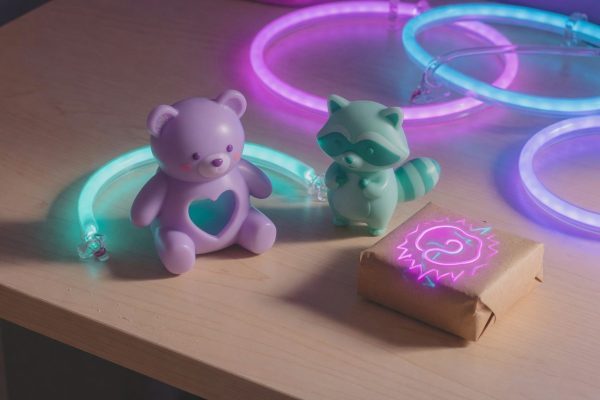
A fox, penguin or woodland-themed figure can suit an animal lover without trying to reproduce a specific pet. Start with the recipient’s favourite species, then choose how they like to see it represented: playful character, stylized shape or more detailed display piece.
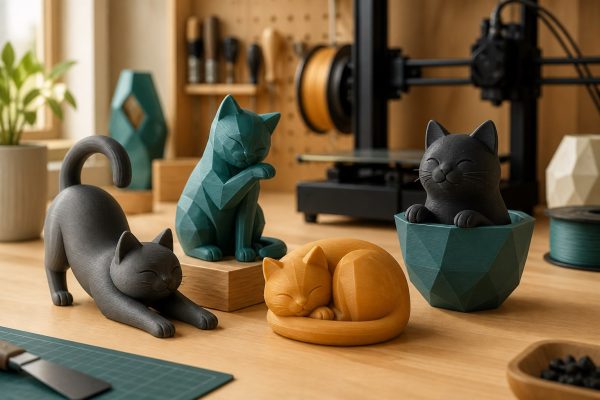
Look at the silhouette as well as the face. A wide tail, outstretched wings or a base can make a small-looking figurine occupy more shelf space than expected. For a desk, consider the space around a screen, lamp and everyday work items.
Nature-inspired does not mean outdoor-rated. A forest animal design may be intended for indoor display, and an articulated model is not automatically suitable for every kind of handling. Check the product’s material and intended use before deciding where it belongs.
Compare animal collectibles by the actual design and dimensions. If you want a particular companion rather than a general animal theme, describe that personal reference instead.