3D Printed Modular Shelving and Display Systems
Slug: 3d-printed-modular-shelving-display-systems Category: Collectibles Guide Original word count: ~465 Target word count: 1,700
Every collector eventually faces the same challenge: where to put everything. The collection starts small — a few figurines on a desk, a handful of pieces on a bookshelf — but grows steadily until the available display space cannot keep up. At that point, the display system becomes as important as the collection itself. A thoughtfully designed display elevates every piece within it, creating visual narratives and highlighting individual details, while a haphazard arrangement diminishes even the finest figurines by burying them in visual clutter.
3D printed modular display systems solve this problem with elegant flexibility. Unlike fixed shelving that forces collections to conform to predetermined dimensions, modular systems adapt to the collection. Add a tier when you acquire new pieces. Reconfigure the layout when you rearrange a room. Swap components to accommodate different figurine sizes. The system grows and changes alongside the collection it serves, which means the investment in display infrastructure never becomes obsolete.
Stackable Risers: The Foundation of Every Display
Stackable risers are the simplest and most versatile modular display component. Each riser is a flat platform supported at a specific height, designed to interlock with identical units above and below. Stack two risers and you have a two-tier display. Stack five and you have a dramatic vertical presentation that draws the eye upward through your collection, creating a tower of collectibles visible from across a room.
The interlocking mechanism is critical to the system’s reliability. Each riser connects to the one below it through precisely dimensioned tabs that snap into corresponding slots with a satisfying click. This connection prevents lateral sliding and provides enough structural rigidity to support the weight of multiple figurines across multiple tiers without wobbling, tilting, or gradually shifting position over days and weeks of standing undisturbed.
Our risers are available in several widths and depths to accommodate different shelf sizes and collection densities. A narrow three-figurine riser fits perfectly on a standard bookshelf between existing books or decorative objects. A wider six-figurine riser creates an impressive desk display that establishes a collection as the focal point of a workspace. The components are fully mix-and-match compatible, so a narrow riser can stack on top of a wide riser to create pyramidal presentations that focus attention on a centerpiece at the peak.
Color options let collectors match their display system to their room decor or contrast for dramatic effect. Matte black risers provide a gallery-like neutral backdrop that lets the figurines command all the visual attention. White risers create a clean, modern aesthetic that works well in contemporary interiors. Color-matched risers in themes that echo the collection — blue for ocean-themed displays, green for forest figurines, dark purple for fantasy collections — create immersive thematic presentations where the display infrastructure reinforces rather than merely supports the collection’s visual story.
The dimensional precision of 3D printed risers ensures that the interlocking mechanism works reliably across different production batches. A riser purchased today will snap securely onto a riser purchased months from now, because the manufacturing tolerances are consistent and controlled. This reliability is essential for a modular system that invites incremental expansion over time.
Floating Display Brackets: Transforming Walls into Galleries
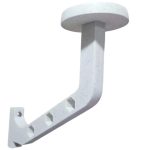
Wall-mounted display brackets free desk and shelf space while transforming vertical wall surfaces into gallery installations. Our floating brackets attach to standard wall anchors and extend outward at precise angles to present figurines at optimal viewing heights and distances from the wall.
Each bracket includes integrated figurine slots — shallow recesses that hold figurine bases securely without requiring adhesive, putty, or any other attachment method. The slots prevent pieces from sliding or tipping when the wall vibrates from a closing door, passing footsteps, or the general micro-vibrations of a living space. This security is essential for wall-mounted displays where a fallen figurine means a broken figurine and potentially a damaged floor.
Bracket arrangements follow several popular patterns that collectors have developed and shared within the community. A vertical column of brackets ascending a wall creates a towering display visible from across a room, drawing the eye upward in a way that flat shelving cannot. A horizontal row at eye level provides gallery-style presentation for a curated selection of best pieces, mimicking the single-line hanging convention of art galleries. A scattered arrangement at various heights creates visual interest by breaking the grid pattern, producing an organic, gallery-wall aesthetic that treats each figurine as an individual art piece rather than one item in a row.
Installation spacing matters for visual impact. Brackets positioned too close together create visual crowding that diminishes individual pieces. Too far apart and the display loses cohesion, reading as separate items rather than a collection. Our recommended spacing of 15 to 20 centimeters between brackets provides the ideal balance for most figurine sizes, though larger pieces benefit from wider spacing and miniatures can be positioned more closely.
For renters who cannot drill into walls, we offer adhesive-mount bracket versions rated for the weight of typical 3D printed figurines. These brackets use heavy-duty removable adhesive strips that hold firmly for months or years of daily life but remove cleanly without wall damage when the time comes to move. The adhesive versions support slightly less weight than screw-mounted versions, so they are recommended for single-figurine display rather than heavy multi-piece arrangements.
Rotating Platforms: Showcasing Every Angle
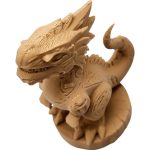
Articulated figurines, detailed character pieces, and sculptural prints all benefit from multi-angle viewing that a static display cannot provide. A dragon with intricate wing details. A figurine with different facial expressions on each side. A geometric art piece that catches light differently from every angle. Rotating platforms solve this by slowly turning each piece, presenting every angle to the viewer over time without requiring them to physically handle the figurine.
Battery-powered rotating platforms eliminate wiring complications entirely. A single set of batteries provides weeks of continuous rotation, and the motor operates silently enough that it does not intrude on a quiet room. Our platform designs include hidden battery compartments that keep the mechanical components invisible, maintaining the aesthetic focus on the figurine rather than the hardware supporting it.
Manual rotation platforms use a weighted bearing system that allows smooth, friction-free spinning with a gentle touch. These are ideal for desk displays where you want the option to rotate a piece for closer examination without the constant motion of a motorized platform. A light push starts the platform spinning, and friction gradually brings it to a stop over several seconds, providing a brief viewing window of all angles before the piece comes to rest.
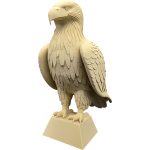
Display bases in matching themes create cohesive presentations where the platform becomes part of the visual story. A fantasy-themed rotating base with sculpted stone texture supports a dragon figurine with thematic consistency. A clean geometric base suits modern parametric art pieces. A naturalistic base with simulated grass or rock texture grounds animal figurines in their implied environment. The base design becomes part of the display’s visual language rather than a utilitarian afterthought.
LED Integration: Museum-Quality Lighting at Home
Professional museums and galleries spend significant budgets on lighting because proper illumination transforms good displays into great ones. The difference between a figurine on an unlit shelf and the same figurine under directed, color-appropriate lighting is dramatic enough that most collectors who try LED integration never go back to ambient-only display.
Our LED-compatible risers and brackets include precision channels that accept standard 5-millimeter LED strip lights. The channels are positioned to cast light downward onto the display surface, front-lighting figurines with even, shadow-minimized illumination. Hidden channel routing keeps wiring invisible behind and beneath the display components, maintaining the clean aesthetic that professional displays demand.
Color temperature selection matters more than most collectors initially realize. Warm white LEDs in the 2700K to 3000K range create inviting, gallery-like ambiance that flatters warm-colored figurines and produces a cozy, intimate display atmosphere. Cool white LEDs in the 5000K to 6000K range provide crisp, clinical illumination that enhances fine detail visibility and produces a modern, clean display feel. RGB LED strips allow dynamic color changes to match seasonal themes, mood lighting preferences, or the color palette of the displayed collection.
Battery-powered LED options eliminate the need for nearby electrical outlets, making it possible to create illuminated displays anywhere in a room without running visible cables. USB-powered options work well near computers or media centers where USB ports are readily available and can power the lights without additional adapters.
Planning and Expanding Your System
Starting a modular display system benefits from a few minutes of planning before the first purchase. Consider the available space, current collection size, and realistic growth expectations. A collector adding two or three pieces per month needs expandability built into the initial setup.
Begin with a starter configuration that displays your current collection with room for one or two additional pieces. As the collection grows, add components incrementally. The modularity means every component you purchase remains useful as the system expands — nothing becomes obsolete or incompatible.
All modular display components are printed at our Quebec facility and designed for tool-free assembly. Browse the display system catalog at 3dcentral.ca/shop and build the display your collection deserves.