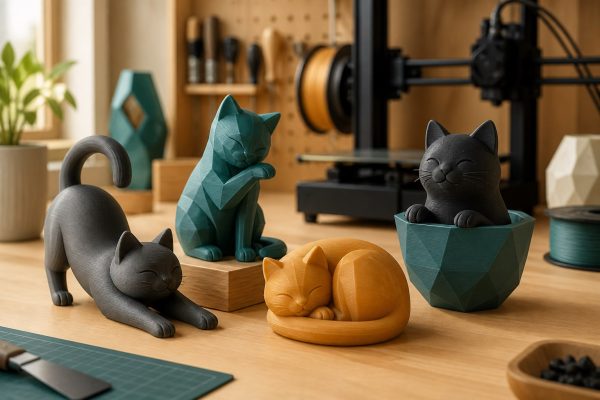
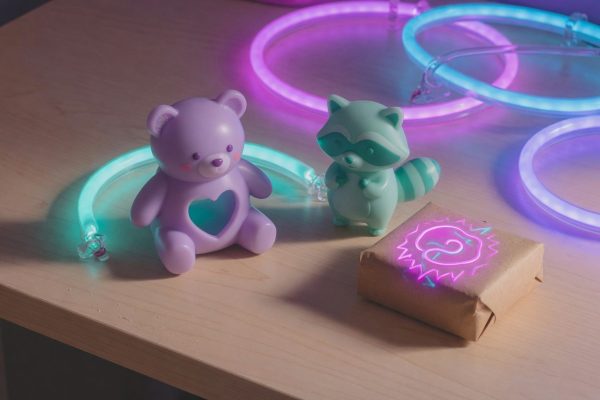
Children respond to 3D printed figurines with immediate enthusiasm — the bright colors, unusual forms, and tactile textures appeal to young sensibilities in ways that screens and standard mass-produced alternatives often do not. But selecting appropriate designs for different age groups requires consideration of size, durability, complexity, and safety. This guide helps parents, grandparents, and gift-givers navigate those decisions with confidence, matching the right collectibles to the right developmental stages.
Understanding 3D Printed Materials and Child Safety
Before selecting specific designs, understanding the materials used in 3D printing provides essential context for safety-conscious gift decisions.
PLA and PETG: The Basics
The two primary materials used for 3DCentral collectibles are PLA (polylactic acid) and PETG (polyethylene terephthalate glycol). Both are non-toxic thermoplastics safe for handling. PLA is derived from renewable resources like corn starch and is the standard material for most indoor collectible figurines. PETG offers greater impact resistance and weather tolerance, making it suitable for items that might experience rougher handling or outdoor display.
Important Safety Context
3D printed collectibles are decorative objects designed for display and gentle handling — they are not certified as children’s toys under applicable safety standards (CSA, CPSC, or EN 71). This distinction matters. While the materials themselves are safe for contact, the designs may include small parts, pointed features, or fine details that require age-appropriate supervision. Parents should evaluate each piece with the same common sense they would apply to any decorative household object.
Ages 3-5: Large, Simple, and Durable
Young children in this age range interact with objects primarily through grasping, holding, and exploratory play. The ideal designs for this group prioritize structural simplicity and generous sizing.
Design Characteristics to Look For
Choose single-piece figurines with no detachable components. Minimum size of 10 centimeters tall ensures the piece is easy for small hands to grip and eliminates choking hazards. Rounded edges and chunky proportions are both safer and more durable against drops. Bright, saturated colors in primary hues — red, blue, yellow, green — attract and hold young attention effectively.
Designs to Avoid at This Age
Articulated figurines with small joint segments are not appropriate for children under five. Fine details like tiny accessories, thin antenna-like features, or designs with sharp protrusions should be avoided. Multi-piece sets where individual pieces are small enough to mouth are inappropriate regardless of the material’s non-toxic status.
Recommended Categories
Large character gnomes with simple poses and chunky proportions work well for this age group. Oversized single-piece ducks in bright colors also perform well as first collectible experiences.
Ages 6-9: The Articulated Sweet Spot
Children in this range have developed the fine motor skills to appreciate and safely handle more complex designs. This is the age where 3D printed collectibles genuinely shine, because the tactile interaction possibilities match the developmental stage perfectly.
Articulated Animals and Creatures
Flexi-print animals with smooth, sturdy joints are ideal for this age group. The satisfying tactile feedback of bending, posing, and adjusting articulated creatures provides sensory engagement that static figurines cannot match. Children in this range describe the experience as “satisfying” and “addicting” — and the mechanical interaction keeps them engaged far longer than a fixed-pose figurine.
Supervised First Interactions
For articulated designs that are new to a child, a brief supervised session helps prevent overflexing joints or forcing movement in unintended directions. Demonstrating the range of motion and showing how the joints work teaches proper handling that extends the piece’s lifespan. Most children learn appropriate manipulation quickly and handle subsequent pieces independently.
Collection Building Begins
Ages six through nine mark the beginning of intentional collecting behavior. Children start expressing preferences for specific themes, colors, and design styles. Encouraging this early collecting instinct by allowing them to choose their next piece from the catalog builds decision-making skills and a sense of ownership over their developing collection. Browse the shop together and let the child identify what appeals to them.
Ages 10-13: Collector Mentality Emerges
Tweens and young teenagers embrace collecting with a focus and organizational intensity that sometimes surprises adults. Their developing sense of identity drives them toward specific aesthetic preferences, and the variety of the 3DCentral catalog — spanning fantasy, professional themes, pop culture references, and artistic interpretations — supports this identity exploration through collecting choices.
Series Completion and Themed Collecting
At this age, the drive to complete a collection becomes a powerful motivator. Themed series — all the dragons in a particular artist’s collection, every variant of a specific duck design, the complete gnome occupation series — tap into the completionist instinct that characterizes this developmental stage. Each new acquisition represents progress toward a defined goal, which provides sustained satisfaction.
Trading and Social Collecting
Many tweens in this age range develop trading relationships with friends who also collect. The social dimension of collecting — comparing collections, trading duplicates, showing off rare pieces — adds a peer-interaction element that strengthens the hobby’s appeal. 3D printed collectibles are uniquely suited to this trading culture because the vast design variety ensures that different collectors accumulate different inventories, making trading both possible and interesting.
Building Display Skills
Encourage tweens to develop display strategies for their collections. Organized shelving, categorization systems (by theme, color, or artist), and aesthetic arrangement develop organizational thinking and spatial awareness. The pride a twelve-year-old takes in a well-arranged figurine shelf translates to broader organizational skills.
The Educational Value of 3D Printed Collectibles
Beyond entertainment and collecting satisfaction, 3D printed figurines offer genuine educational value across multiple domains.
STEM Curiosity
Children who handle 3D printed objects naturally develop questions about the manufacturing process. How does a printer build something layer by layer? What is PLA made from? How do articulated joints work without assembly? These questions lead to explorations of material science, engineering, and computer-aided design — all core STEM competencies.
Some children who begin as collectors progress to learning basic 3D modeling software, developing technical skills with real-world career applications. The journey from “I want to collect figurines” to “I want to design figurines” is surprisingly common and represents a meaningful educational pathway.
Design Thinking
Evaluating and comparing different figurine designs develops aesthetic judgment and critical thinking. Why does this dragon design appeal more than that one? What makes a particular gnome expression convincing? Children who engage with design through collecting develop vocabulary and analytical frameworks for discussing aesthetics that serve them in art, architecture, and any creative discipline.
Material Science Awareness
Understanding the differences between PLA and PETG, recognizing how color affects perception, and observing how print orientation influences surface quality all contribute to a practical understanding of material science. For children interested in science and engineering, 3D printed collectibles serve as tangible examples of manufacturing principles they can hold in their hands.
Gift-Giving Tips for Adults Shopping for Young Collectors
When shopping for a child’s birthday or holiday gift from the figurines collection or other categories, several strategies help ensure the gift resonates.
Consult the child’s parents about existing collection themes to avoid duplicates and align with established interests. Consider the child’s current interests — a child passionate about marine life will respond more strongly to an ocean-themed design than to a random selection. Wrap the figurine with a small display accessory like a floating shelf or acrylic riser to create a complete gift package.
For children who already collect, the Mystery Box introduces the excitement of surprise into their collecting experience. Learn more about the 3DCentral catalog and manufacturing process on the About page.
Frequently Asked Questions
Q: Are 3D printed collectibles safe for young children? A: PLA and PETG are non-toxic materials safe for handling. However, 3D printed collectibles are decorative objects, not certified children’s toys. For children under five, choose large single-piece designs without detachable parts. For ages six and up, articulated designs with sturdy joints are appropriate with initial supervised handling.
Q: At what age can children safely handle articulated 3D printed figurines? A: Most children aged six and older have sufficient fine motor skills to handle articulated designs safely. A brief supervised introduction demonstrating the range of motion helps the child understand proper handling. Children learn appropriate manipulation quickly and typically manage subsequent pieces independently.
Q: Can 3D printed collectibles support educational goals for children? A: Yes. Handling 3D printed objects naturally sparks curiosity about manufacturing, material science, and design. Many children progress from collecting to learning basic 3D modeling software. The collecting process itself builds organizational skills, aesthetic judgment, and decision-making abilities that transfer to academic contexts.