The challenge of buying gifts for young people intensifies every year. Kids and teens are increasingly screen-focused, making physical objects that capture and hold their attention genuinely valuable. 3D printed collectibles succeed where many physical gifts fail because they occupy a unique intersection of technology, tactile engagement, and collectible culture that resonates with digital-native generations.
What makes 3D printed pieces particularly effective as gifts for younger recipients is the inherent coolness of the technology itself. When a child learns that their articulated dragon was built layer by layer on a printer over several hours, it transforms the object from a simple toy into a tangible connection to advanced manufacturing. The figurine becomes a story about how things are made, opening doors to curiosity about design, engineering, and materials science.
Articulated Designs for Hands-On Engagement
Print-in-Place Engineering
The most captivating 3D printed gifts for kids are articulated designs that move, flex, and pose. Print-in-place articulated animals, designed by artists like Flexi Factory, emerge from the printer as single assembled pieces with working joints. Dragons that coil and twist, snakes that slither, and octopuses with individually poseable tentacles provide tactile engagement that keeps hands busy and imaginations active.
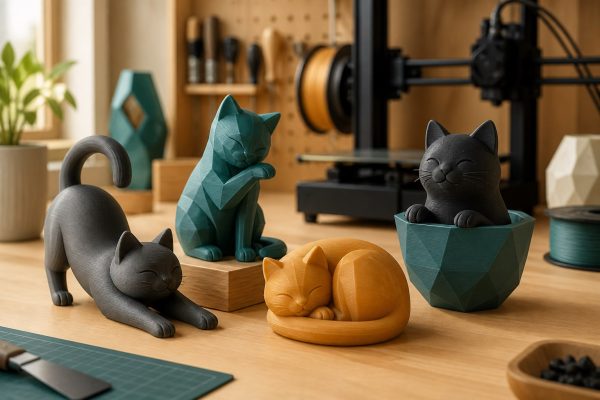
These articulated pieces function fundamentally differently from traditional action figures. Rather than rigid limbs with limited joint positions, print-in-place designs use integrated living hinges and ball joints that allow organic, fluid movement. A child can wrap an articulated dragon around a pencil, pose a flexi cat in a sleeping position, or create a scene with multiple articulated creatures interacting naturally.
Fidget-Friendly Properties
For children who benefit from tactile stimulation, articulated 3D prints serve as sophisticated fidget objects. The smooth, repetitive motion of flexing joints and posing segments provides sensory input without the simplistic appearance of dedicated fidget devices. A child manipulating an articulated gecko during class looks like someone playing with a cool figurine, not someone using a therapeutic tool, which matters enormously for social comfort.
The durability of PLA snap-fit joints means these pieces withstand repeated manipulation without degrading. Unlike sticker-covered fidget toys that peel and deteriorate, a well-printed articulated figurine maintains its function and appearance through months of daily handling.
Age-Appropriate Gift Selection
Ages 6-9: Wonder and Imagination
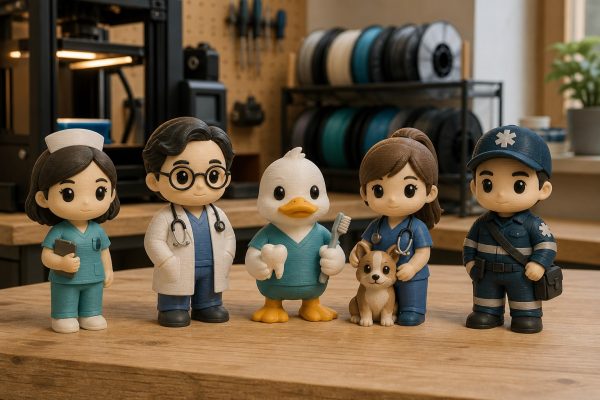
Young children respond to bright colors, recognizable animals, and designs that invite narrative play. Duck figurines in various costumes and themes let children create stories and scenarios. A doctor duck, a firefighter duck, and a chef duck become characters in elaborate imaginary adventures. Animal figurines in vibrant colors catch attention and encourage collection.
At this age, the 3D printing origin story adds magic to the gift. Explaining that the figurine was created by a printer builds wonder comparable to any fantasy narrative. Showing a child a timelapse video of 3D printing transforms their understanding of how objects come into existence.
Ages 10-13: Collecting and Curating
Tweens develop more sophisticated taste and begin collecting with intentionality. Themed series, like duck collections or gnome families, appeal to the emerging collector instinct. At this age, children start caring about display, arrangement, and completion, making series-based gifts especially engaging.
Fantasy creatures gain strong appeal in this age range as children discover genre fiction, gaming, and fantasy media. Detailed dragon figurines, mythical creatures, and fantasy-themed designs connect to their expanding imaginative worlds while providing physical objects worthy of shelf display.
Ages 14-18: Design Appreciation and Identity
Teenagers appreciate 3D printed gifts through the lens of design, technology, and self-expression. They care about aesthetics, material quality, and the story behind how objects are made. A teen who learns that their figurine was designed by a digital artist, printed on an industrial machine, and inspected by hand develops respect for the craft behind the product.
At this age, the technology itself becomes part of the appeal. Many teens who receive 3D printed gifts develop interest in learning 3D modeling, understanding print settings, or even operating their own printers. A single figurine can be the spark that ignites a career interest in engineering, industrial design, or digital art.
Building a Collection Over Multiple Occasions
The Collection Strategy
Starting a collection with an initial gift creates a framework for future gift-giving that reduces the stress of subsequent occasions. A birthday gift of three duck figurines establishes a duck collection. The next holiday adds two more. A report card reward adds one. Within a year, the child has a meaningful collection built across multiple occasions, each piece carrying the memory of when and why it was given.
This strategy works particularly well for kids who are difficult to buy for. Once a collection theme is established, the question shifts from “what do they want?” to “which piece should be added next?” The 3DCentral shop catalog’s depth ensures that even enthusiastic collectors will not exhaust available options quickly.
Display and Organization
Encourage collection display by gifting a small shelf or display case alongside the first figurines. The act of arranging and rearranging a collection provides ongoing engagement beyond the initial excitement of receiving new pieces. Some children develop elaborate display narratives, creating scenes and stories with their figurines that evolve over time.
Material Safety and Practical Considerations
PLA Material Properties
All 3DCentral products are printed in PLA (polylactic acid), a thermoplastic derived from renewable resources like corn starch. PLA is non-toxic, produces no harmful fumes during printing, and does not contain BPA, phthalates, or heavy metals. While 3DCentral products are not certified under toy safety regulations and are sold as decorative collectibles, the material itself has a strong safety profile.
For younger children, adult supervision is recommended with any small figurine due to general small-parts considerations. Articulated pieces with snap-fit joints are designed to stay connected during normal play but could potentially separate under extreme force.
Durability for Active Use
PLA is a rigid material that holds its shape well under normal handling conditions. Figurines can withstand being dropped from desk height onto carpeted surfaces without damage in most cases. However, PLA can crack under sharp impact on hard surfaces, so establishing the expectation that these are collectible display pieces rather than rough-play toys helps preserve them for long-term enjoyment.
The STEM Connection
Inspiring Future Engineers
The educational value of 3D printed gifts extends beyond the object itself. Every figurine is a physical lesson in additive manufacturing, computer-aided design, material science, and quality control. Parents and educators who frame 3D printed gifts within this educational context provide children with tangible connections to STEM concepts that textbooks struggle to make real.
Several Canadian schools have incorporated 3D printing into their curricula, and children who already own and appreciate 3D printed objects arrive at these lessons with built-in enthusiasm. The familiarity of having handled, displayed, and played with 3D printed pieces creates personal relevance that accelerates learning.
From Consumer to Creator
The progression from receiving 3D printed gifts to wanting to create one’s own designs is natural and common. Free 3D modeling tools like TinkerCAD make the entry point accessible to children as young as eight. A child who starts by collecting figurines and progresses to designing their own models has traveled a developmental path from consumer to creator, from passive recipient to active maker.
Frequently Asked Questions
Q: Are 3D printed figurines safe for young children? A: 3DCentral products are printed in PLA, a non-toxic thermoplastic free of BPA, phthalates, and heavy metals. While sold as decorative collectibles rather than certified toys, the material has an excellent safety profile. For children under three, adult supervision is recommended due to small parts considerations, as with any small figurine or collectible.
Q: What age is appropriate for articulated 3D printed figurines? A: Articulated print-in-place designs work well for children ages six and up who have the fine motor skills to manipulate joints without excessive force. Children ages 6-9 enjoy the movement and play aspects, while children 10 and older appreciate the engineering and begin posing figures for display. Younger children should be supervised to ensure joints are flexed within their designed range of motion.
Q: Can 3D printed gifts genuinely spark STEM interest in children? A: Research supports the connection between hands-on engagement with manufactured objects and STEM career interest. Children who understand how their possessions are made develop stronger spatial reasoning, material intuition, and design thinking. Many 3D printing professionals trace their interest back to early exposure through consumer 3D printed products. The key is framing the gift within a conversation about how it was designed and produced.