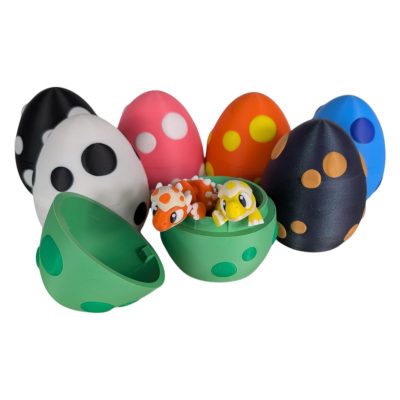
For collectible figurines, choose matte PLA when you want hidden layer lines, glare-free display, and a painted or cast look, and choose silk PLA when you want a glossy metallic sheen on a clean, simple surface. Matte hides print texture; silk shows it off, for better or worse.
That single trade-off drives almost every finish decision for a display piece. This guide walks through how each PLA finish behaves under light, how durable each is for a shelf collectible, and which one suits the model you have in mind. It stays neutral: neither finish is “better” outright, and the right pick depends on the sculpt, the lighting, and how you plan to handle the piece.
What is the real difference between silk PLA and matte PLA?
Both are PLA, a plant-based thermoplastic. The difference is in the additives that change how the surface reflects light. Matte PLA contains diffusing fillers that scatter light, so layer lines blur and the surface reads like painted resin or cast plaster. Silk PLA contains additives that create a glossy, satin-to-metallic sheen, giving a print an “expensive,” reflective look straight off the bed.
Here is the honest catch most beginners miss: a glossy silk surface acts like a spotlight on geometry. Bright highlights trace the path of each layer line, so a model that looks acceptable in standard PLA can show obvious layer banding in silk. Matte does the opposite, diffusing light so layers and even fingerprints become much harder to see. For figurines with fine sculpted detail, that distinction matters more than the color.
| Characteristic | Silk PLA | Matte PLA |
|---|---|---|
| Surface look | Glossy, satin to metallic sheen | Flat, painted or cast appearance |
| Layer lines under light | Highlights emphasize them | Diffused and hidden |
| Glare in photos | Reflective, can glare | Low glare, photo-friendly |
| Brittleness | Slightly more brittle | Closer to standard PLA |
| Hides fingerprints | Shows smudges more | Resists smudges |
| Best for | Smooth shapes, accents, trim | Detailed sculpts, display, photography |
How does each finish look under light?
Lighting is where the two finishes separate most. Under direct light, matte PLA softens the surface and reduces visible layer lines, which is exactly what you want for a shelf piece or for product photography where glare ruins a shot. The matte texture cuts reflections, so the sculpt’s form reads cleanly rather than fighting with hot spots.
Silk PLA is the opposite. Its reflective surface throws bright highlights that can trace each layer line, and the effect is amplified in close-up photos. Many makers note the gap looks larger in macro shots than in everyday viewing. On a smooth, simple shape, that gloss is gorgeous. On a heavily detailed figurine printed at standard layer height, silk can make print artifacts more obvious, not less.
Is silk PLA or matte PLA more durable for a display figurine?
For a collectible that lives on a shelf, both finishes are perfectly adequate. Neither is a load-bearing engineering part, and that is the right frame. That said, there is a noticeable difference. The additives that give silk PLA its shine tend to make it slightly more brittle than standard PLA, so a silk piece is a bit more likely to chip or snap if it is dropped or stressed at a thin point. Matte PLA generally behaves closer to standard PLA in toughness.
In practice this means: for a figurine with delicate extremities (thin swords, antennae, fingers), matte gives you a small margin of resilience. For a chunky, solid sculpt that mostly sits still, silk’s brittleness is rarely a real-world problem. Handling habits matter more than the filament here, so neither finish should scare you off a piece you love.
When should you choose silk PLA?
Reach for silk PLA when the model has clean, flowing surfaces and you want a premium, eye-catching shine without painting. Silk shines (literally) on vases, smooth animal forms, ornaments, gift pieces, and as a metallic accent. A silk-gold or silk-copper trim against a matte base reads as a deliberate two-tone design rather than a printing accident. If the piece is large, simple, and meant to catch the light, silk delivers a finish that looks far more expensive than the filament cost.
When should you choose matte PLA?
Choose matte PLA when the figurine is detailed, when you plan to photograph it, or when you want a painted or cast aesthetic out of the box. Matte is the safer default for collectible character figures, miniatures, and anything with fine surface texture, because it forgives minor layer banding and resists fingerprints. If you intend to hand-paint a piece later, matte’s surface also accepts primer and paint more predictably than a glossy silk skin.
How does 3DCentral handle finishes for custom and collectible pieces?
3DCentral runs a 200+ printer farm in Quebec, and we offer both finishes across our catalog of original 3DCentral designs and curated community-artist models from creators like Cinderwing3D, Flexi Factory, McGybeer, and Zou3D. For a custom AI-generated figurine, the workflow is AI-assisted and human-finished: you describe or upload your concept, our dual AI engine (Tripo plus Rodin) drafts the model, and you approve a preview before anything prints. That preview-approval step is where you lock in whether the piece suits silk, matte, or a mix.
Because we print and ship domestically, Canadian collectors pay in CAD with no customs fees and get fast domestic shipping, in English or real Quebec-French. Whether you want the painted-resin look of matte or the metallic gleam of silk, the right starting point is the model itself. Explore ready-to-buy pieces in our collectible shop, or start a finish-matched custom figurine on our custom printing page.
Commercial note: the 3DCentral Commercial License covers original 3DCentral designs only. For commercial printing rights to community-artist or custom AI-generated models, contact the artist directly.
Frequently asked questions
Is silk PLA or matte PLA better for figurines?
Neither is universally better. Matte PLA suits detailed figurines and photography because it hides layer lines and glare. Silk PLA suits clean, smooth shapes or metallic accents because of its glossy sheen. Match the finish to the sculpt and how you plan to display it.
Does silk PLA show layer lines more than matte PLA?
Yes. Silk PLA’s reflective surface throws bright highlights that can trace each layer line, and the effect is amplified in close-up photos. Matte PLA diffuses light, blurring layer lines and even hiding fingerprints, so it conceals print texture far better.
Is silk PLA weaker or more brittle than matte PLA?
Silk PLA tends to be slightly more brittle because the additives that create its shine reduce toughness. Matte PLA behaves closer to standard PLA. For a shelf display piece both are fine, but matte gives a small margin on thin, delicate parts.
Which finish is best for photographing a collectible figurine?
Matte PLA is best for photography. Its texture reduces glare and softens layer lines under direct lighting, so the sculpt reads cleanly without hot spots. Silk’s reflective surface can create glare and emphasize imperfections in macro shots.
Can I combine silk and matte PLA on the same figurine?
Yes, and it can look striking. A common approach is a matte body or base with silk accents or trim, for example silk-gold detailing against a matte surface. This reads as a deliberate two-tone design rather than an inconsistency.
Which finish is better if I plan to hand-paint my figurine?
Matte PLA. Its non-glossy surface accepts primer and paint more predictably than a slick silk skin, and it hides minor layer banding underneath. If you intend to paint later, start with matte for the most reliable result.
Does 3DCentral offer both silk and matte finishes?
Yes. 3DCentral runs a 200+ printer farm in Quebec and offers both finishes across original 3DCentral designs and curated community-artist models. For custom AI-assisted figurines, you approve a preview first, which is where the finish is matched to your piece.
Do Canadian buyers pay customs on 3DCentral figurines?
No. 3DCentral prints and ships domestically from Quebec, so Canadian collectors pay in CAD with no customs fees and receive fast domestic shipping, in English or real Quebec-French.
Ready to start with
-

-
-
-
VALUE PACK