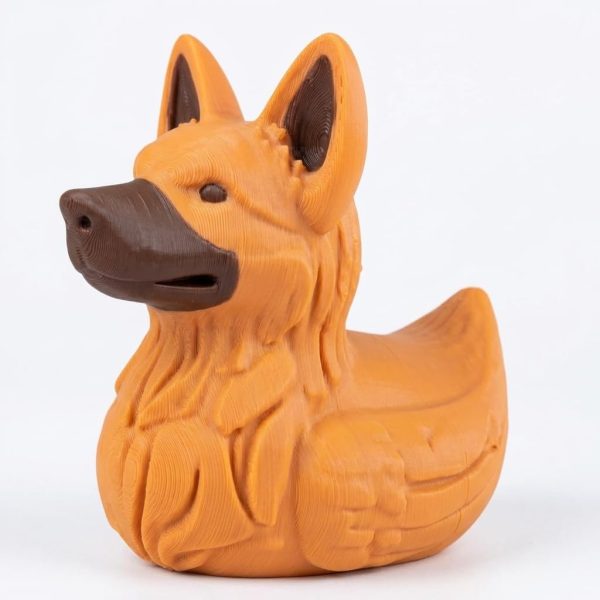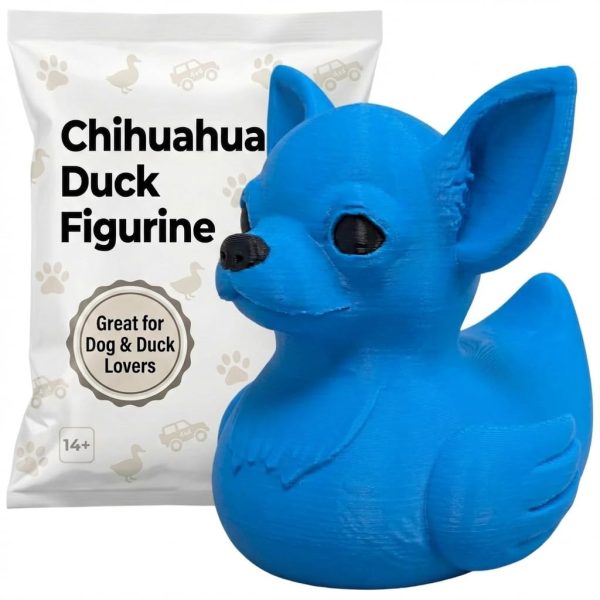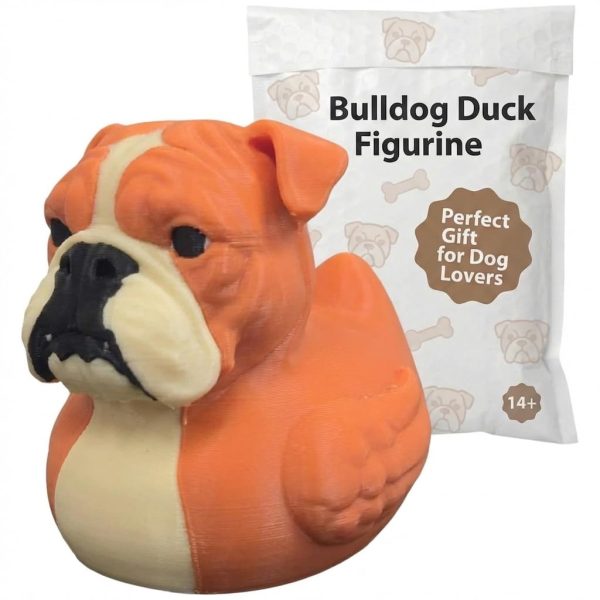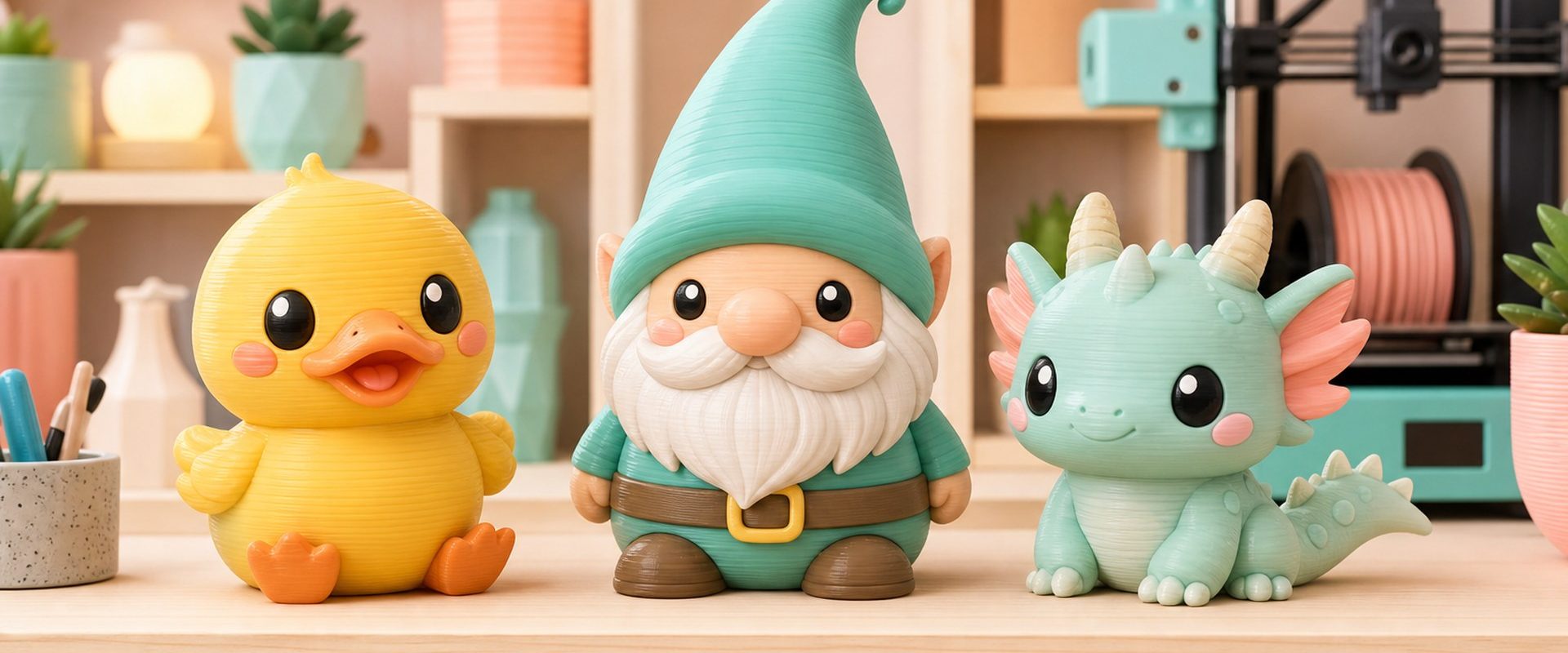
The modern office desk has become a canvas for personal expression. Amid monitors, keyboards, and coffee mugs, a carefully chosen 3D printed figurine announces something about its owner: a sense of humor, a design sensibility, a willingness to appreciate craftsmanship. The best office desk collections achieve a delicate balance — they are distinctive enough to spark conversation but refined enough to suit professional environments.
Building a desk collection for the workplace requires different considerations than assembling a home display. Space is limited and shared. Aesthetics must complement rather than clash with office decor. Pieces must survive the daily hazards of desk life — accidental bumps, coffee proximity, and the curious hands of visiting colleagues. This guide addresses all of these factors with practical advice drawn from the thousands of collectors who display 3DCentral pieces in their workspaces.
Why Office Desk Collections Work
A 3D printed figurine on a desk is more than decoration. It serves distinct social and psychological functions in a work environment.
Personal Identity in Shared Spaces
Open-plan offices and hot-desking arrangements reduce personal space to whatever fits on a desk surface. A well-chosen figurine establishes personal territory and identity in a way that is immediately visible but not intrusive. It signals that the desk’s occupant is a real person with interests beyond the spreadsheet on their screen — and that signal matters for workplace connection and morale.
Stress Relief and Conversation Starter
Articulated figurines with poseable joints provide tactile engagement during phone calls and thinking pauses. The physical act of adjusting a flexi duck’s wings gives hands something purposeful to do, which occupational psychology associates with improved focus. Meanwhile, an unusual 3D printed piece naturally attracts curiosity from colleagues, clients, and visitors. These conversations create connection points that transcend professional roles — many workplace friendships have started with a question about an interesting desk object.
Choosing Office-Appropriate Pieces
Professional environments call for curation. Not every piece in your home collection translates well to a work desk. The goal is to select pieces that express personality while maintaining the professionalism your workplace culture expects.
Design Characteristics That Work in Offices
Clean lines, polished finishes, and refined proportions read as intentional design choices rather than random desk clutter. Geometric sculptures, elegant animal figurines, and character designs with subtle humor all succeed in professional settings. Silk metallic filaments in gold, silver, copper, and bronze produce a premium, almost jewelry-like quality that elevates any desk surface.
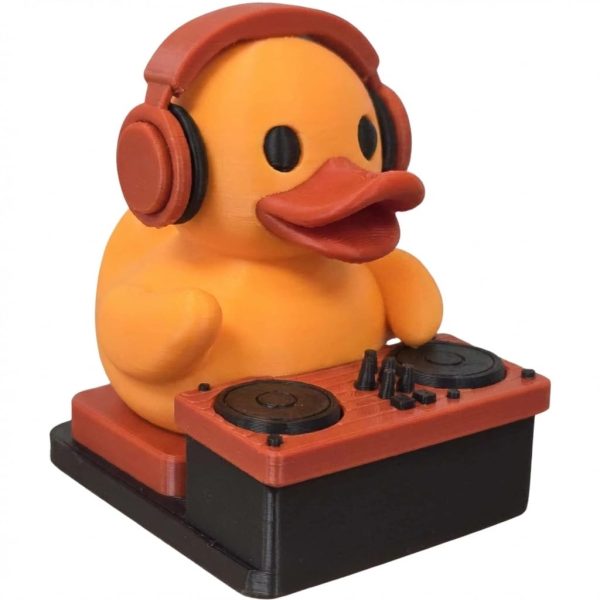
Pieces with strong visual identity — a well-detailed dragon, a precisely articulated octopus, a mythology-themed duck with clear character — generate more positive attention than generic or overly complex designs. The piece should be immediately legible from arm’s length, meaning its character and quality should be apparent without requiring close examination.
What to Avoid
Scale matters. Pieces taller than 5-6 inches can obstruct sightlines in shared office spaces and visually dominate a desk surface. Very intricate pieces with many small protruding elements are vulnerable to damage from the constant low-level jostling that desk objects experience. Designs with extremely bright or clashing colors may create visual tension in neutral-toned office environments.
Content appropriateness varies by workplace culture. Most professional environments are comfortable with whimsical, fantastical, or humor-based designs. Consider your specific workplace norms when selecting themed pieces — what is celebrated in a creative agency might feel out of place in a conservative financial firm. When in doubt, lean toward elegant simplicity over bold statement pieces.
Size Guide for Desk Display
Desk real estate is finite and contested. A figurine that commands attention without consuming workspace is the ideal.
The Sweet Spot: 2-4 Inches
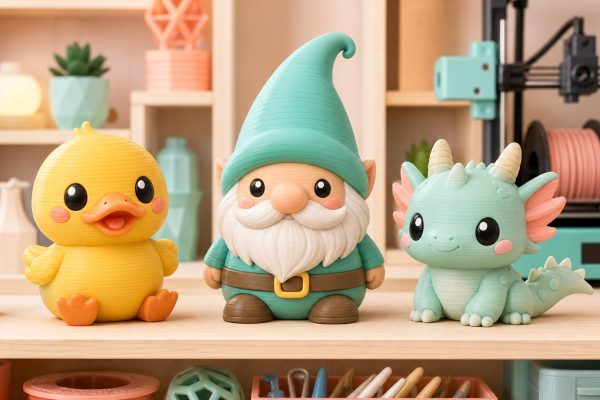
Figurines in the 2-4 inch height range occupy the sweet spot for desk display. They are large enough to be noticed and appreciated without dominating the workspace. At this scale, a single piece fits comfortably in a monitor corner, beside a laptop, or on a small shelf above the desk surface. Mini ducks, small gnomes, and compact articulated animals all fall naturally into this size range.
The Statement Piece: 4-6 Inches
A single larger piece in the 4-6 inch range can serve as a desk centerpiece for collectors who want their figurine to be the primary decorative element. At this scale, the piece needs room — position it where it has visual breathing space rather than crowding it against a monitor or stacking it beside other objects. One well-chosen statement piece often makes a stronger impression than several smaller pieces clustered together.
Micro Collections: Under 2 Inches
Very small figurines — under 2 inches — allow collectors to maintain a curated group without consuming meaningful desk space. A trio of micro ducks arranged along a monitor base, or a row of tiny gnomes along a keyboard tray edge, adds personality without spatial compromise. The trade-off is reduced visual impact and detail visibility at this scale.
Arrangement Strategies for Limited Space
Desktop arrangement differs from shelf display because the viewing angle is consistently from above and slightly to the front — the seated position at a desk. Designs should be evaluated from this perspective, not just from eye level.
The Monitor Corner
The most popular placement for a single desk figurine is the inside corner of a monitor, where the figure is visible during normal screen use without obstructing content. This position places the figurine within the peripheral vision zone, providing ambient personality without demanding active attention. Taller narrow figures work better in this position than wide squat ones.
The Keyboard Shelf
If your desk includes a pull-out keyboard tray or a raised keyboard platform, the shelf edge provides linear space for a row of micro figurines. Position pieces at the front edge where they are visible when the tray is extended. This approach keeps figurines at hand level, making articulated pieces particularly suitable for tactile interaction during calls.
The Desk Shelf or Riser
Monitor risers and small desk shelves create elevated display surfaces above the working plane. This raised position puts figurines closer to eye level and separates them from the functional workspace below. A riser with built-in storage beneath serves double duty as an organizer and display platform.
Material and Finish Recommendations for Office Display
The office environment presents specific material considerations that differ from home display.
Silk and Metallic Finishes
Silk PLA filaments produce the most professional-looking desk pieces. The subtle metallic sheen of silk gold, copper, or silver elevates a figurine from casual novelty to intentional desk accessory. These finishes complement common office materials like brushed aluminum laptops, dark wood desks, and chrome monitor stands.
Matte and Monochrome
Matte black, white, and grey figurines pair well with minimalist modern office aesthetics. The absence of color makes these pieces function as sculptural objects rather than colorful toys, which suits more formal work environments. Monochrome pieces also photograph well under office fluorescent lighting, making them popular for social media sharing.
Building an Office Collection Gradually
The most effective office collections grow organically over time rather than appearing fully formed overnight. A single piece placed on a desk generates curiosity. A second piece added a few weeks later suggests intentional collecting. By the third or fourth addition, colleagues recognize an established hobby and often become invested in seeing what appears next.
Monthly Additions
Adding one new piece per month creates a sustainable collection pace that generates regular visual interest without overwhelming desk space. Time new additions to coincide with seasonal releases or new artist drops from 3DCentral to ensure each addition feels fresh and distinct from existing pieces.
The Mystery Box Approach
3DCentral’s Mystery Box subscription delivers monthly surprises that naturally solve the what-to-add-next decision. Each delivery introduces a piece you might not have selected yourself, which often proves more interesting and conversation-generating than predictable choices. The surprise element itself becomes a recurring workplace talking point — colleagues ask what arrived this month.
Desk Collection Maintenance
Office environments present unique maintenance challenges: coffee steam, snack crumbs, general desk dust, and the constant low-level vibration from typing and mouse movement.
Weekly Dusting
A quick weekly wipe with a microfiber cloth prevents dust accumulation on desk figurines. Keep a small microfiber cloth in a desk drawer specifically for this purpose. Compressed air canisters used for keyboard cleaning work equally well for reaching detailed figurine crevices.
Spill Protection
Position figurines away from the primary coffee mug zone. Coffee, tea, and water spills are the most common hazard for desk collectibles. A figurine placed on the opposite side of the desk from your beverage, or on a raised shelf above spill range, eliminates this risk almost entirely.
Explore the full range of desk-appropriate collectibles in our shop, including ducks, gnomes, and articulated figurines available in the silk and metallic finishes that work best in professional settings. print farm operators looking to supply workplace collectible markets can explore commercial production through our Commercial License program.
Frequently Asked Questions
Q: What is the best size for a 3D printed figurine on an office desk? A: Figurines in the 2-4 inch height range work best for most office desks. They are large enough to be visually interesting and detail-rich while small enough to fit comfortably without consuming valuable workspace. If you want a single statement piece, the 4-6 inch range works well provided you give it adequate breathing room. For very limited desk space, micro figurines under 2 inches allow you to maintain a small curated group without spatial compromise.
Q: Are 3D printed figurines appropriate for all workplace environments? A: In most modern workplace environments, tasteful 3D printed figurines are welcome and appreciated as personal expression. Choose designs with clean lines, polished finishes, and subtle character for more conservative settings. Silk metallic finishes and monochrome pieces read as intentional design objects rather than casual novelties. Consider your specific workplace culture when selecting themed pieces, and lean toward elegant simplicity if your environment trends formal.
Q: How do I keep 3D printed desk figurines clean at the office? A: Keep a small microfiber cloth in your desk drawer and give figurines a quick weekly wipe to prevent dust accumulation. Position pieces away from your primary beverage zone to avoid coffee and tea spills. For detailed figurines with hard-to-reach crevices, compressed air canisters used for keyboard cleaning work equally well on 3D prints. If you transport figurines between home and office, wrap them in microfiber cloth or use a small padded pouch to prevent scratches during commuting.