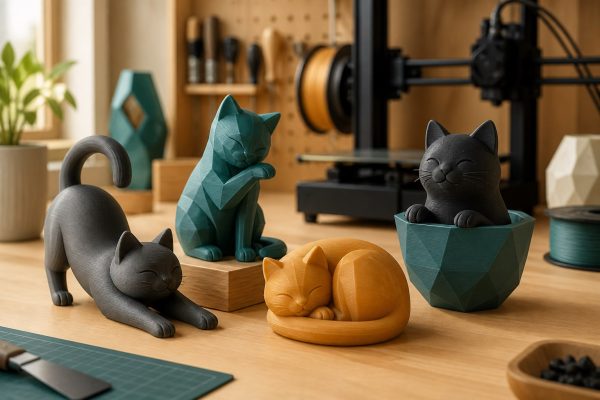
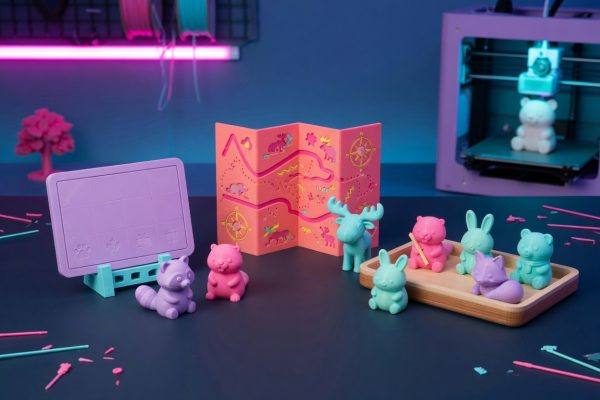
Gift registries have expanded well beyond their traditional wedding origins. Today, collectors of all kinds use wishlist and registry tools to guide friends and family toward gifts they genuinely want. For anyone building a 3D printed figurine or collectible collection, a thoughtfully curated registry eliminates the guesswork that leads to duplicate purchases, mismatched styles, or well-intentioned gifts that never earn a spot on the display shelf.
At 3DCentral, we see firsthand how collectors build and expand their shelves over time. With a catalog of over 4,000 designs printed at our Laval, Quebec facility, the selection is vast enough that even close family members can struggle to choose the right piece without guidance. A registry solves that problem elegantly.
Why a Collectibles Registry Makes Sense
The Duplicate Problem
Collectors who display their pieces publicly, whether on social media or on visible shelves during visits, often receive gifts that duplicate what they already own. A well-maintained registry eliminates this risk entirely. When a gift-giver purchases from the list, the item is marked as fulfilled, preventing anyone else from buying the same piece. For collectors with hundreds of pieces across categories like ducks, gnomes, and figurines, this tracking becomes essential.
The Style Mismatch Problem
Every collector develops preferences over time. Some gravitate toward articulated creatures with poseable joints. Others prefer static display pieces with maximum surface detail. Some collect exclusively within a theme, such as fantasy creatures or animal figurines, while others build diverse shelves that span multiple categories. Without a registry, gift-givers guess at these preferences and frequently miss the mark. A curated list communicates your exact taste without requiring an awkward conversation about what you do and do not want.
The Price Point Problem
Gift-giving occasions come with unspoken budget expectations. A birthday gift from a coworker carries a different price expectation than a Christmas gift from a parent. A registry with items across multiple price points lets every gift-giver find something appropriate for their budget and their relationship with the recipient. This eliminates the discomfort of someone feeling they need to spend more than they planned or settling for something inexpensive that feels inadequate.
Building an Effective Registry
Start with Your Collection Gaps
Before adding items to a wishlist, inventory what you already own. Identify gaps in your collection: themes you have not explored, artists whose work you admire but have not yet acquired, or sizes and styles that would complement your existing display. A registry built around collection gaps ensures every gift moves your display forward rather than creating redundancy.
Browse the full 3DCentral shop systematically by category. If your duck collection is strong but your gnome shelf is sparse, weight your registry toward the gnomes collection. If you have been eyeing community artist designs from creators like Cinderwing3D or Flexi Factory but have not pulled the trigger, add those pieces to your list.
Mix Price Points Strategically
A well-structured registry includes items at every budget level. Aim for this approximate distribution:
- 30 to 40 percent of items under $20 CAD. These accessible price points ensure that casual acquaintances, coworkers, and friends with modest budgets can participate in your gift-giving occasions. Mini figurines, individual themed ducks, and small desk pieces fill this bracket with personality.
- 40 to 50 percent of items between $20 and $50 CAD. This range covers the bulk of typical gift budgets. Full-sized articulated figurines, themed sets, and premium material pieces represent strong value at price points comfortable for most gift-givers.
- 10 to 20 percent of items above $50 CAD. These aspirational pieces give close family members and generous friends the option to make a significant impact. Multi-piece collections, large display pieces, or even a Mystery Box subscription fall into this category.
Keep the List Fresh
A static registry grows stale. As new releases arrive and seasonal collections rotate, update your list to reflect current availability and your evolving interests. Remove items you have acquired through your own purchases. Add newly released designs that catch your eye. A registry that was last updated six months ago signals disengagement and reduces gift-giver confidence.
Occasion-Specific Registry Strategies
Birthday Registries
Birthday wishlists work best when shared two to three weeks before the date. Share the link in personal messages to close friends and family rather than broadcasting it publicly, which can feel presumptuous. Keep the list focused with 15 to 25 items, enough variety for choice but not so many that the selection feels overwhelming.
Holiday Wishlists
Holiday season registries can be larger and more diverse because multiple gift-givers are shopping simultaneously. A holiday list of 30 to 50 items across all price ranges serves extended families where multiple people might purchase gifts. Share the link in family group chats alongside a brief note about your collecting interests so that less familiar relatives understand the context.
Milestone Celebrations
Graduations, promotions, housewarmings, and retirement celebrations all present gift-giving opportunities where a registry provides valuable guidance. For milestones, consider adding higher-value items and multi-piece sets that individual gift-givers might combine their budgets to purchase collectively.
Sharing Your Registry Effectively
Direct Sharing
The most effective registry sharing is direct and personal. Send the link with a brief message explaining your collecting interest and inviting the recipient to browse at their leisure. Something straightforward works best: a link to your wishlist with a note that these are pieces you have been eyeing for your collection, and that any of them would make your day.
Social Media Integration
For collectors active in online communities, a pinned wishlist link on your profile gives followers easy access during gift-giving seasons. Many collecting communities on Reddit, Discord, and Facebook have dedicated threads during holiday season where members share wishlists. Participating in these threads is socially acceptable within collector culture and helps you discover other collectors’ registries in return.
Gift Cards as an Alternative
Not every gift-giver wants to choose a specific item, and that is perfectly fine. Including a note that gift cards are welcome alongside your registry respects the preferences of people who want to contribute without committing to a specific selection. A gift card paired with access to the registry lets the recipient browse and choose with the gift-giver’s contribution, combining the flexibility of cash with the thoughtfulness of a curated suggestion.
The Psychology of Receiving What You Want
There is an outdated notion that sharing exactly what you want for a gift removes the surprise and thoughtfulness from the exchange. In reality, the opposite is true. A gift-giver who purchases something they know the recipient wants feels confident in their choice. The recipient receives something they will use and cherish rather than politely accepting something destined for a drawer.
For collectible figurines especially, this matters. A collector who receives a piece that completes a themed set or fills a gap in their display experiences genuine delight. That emotional response, visible during the unboxing, rewards the gift-giver far more than a polite thank-you for a mismatched piece.
The 3DCentral blog regularly features new releases and seasonal highlights that can inspire registry additions as your collection grows and your tastes evolve.
Frequently Asked Questions
Q: How many items should I include in a 3D printed collectibles gift registry? A: Aim for 15 to 25 items for a birthday registry and 30 to 50 for holiday wishlists. Include items across multiple price points so gift-givers at every budget level can participate comfortably. Update the list regularly as new designs are released and as you acquire pieces through your own purchases.
Q: Is it appropriate to share a collectibles wishlist for non-traditional occasions? A: Absolutely. Housewarmings, promotions, retirements, and personal milestones are all appropriate occasions for sharing a curated wishlist. Collector culture has normalized registry sharing, and gift-givers consistently report appreciating the guidance rather than viewing it as presumptuous.
Q: Can I include items from multiple stores on one gift registry? A: Yes. Many wishlist platforms allow you to aggregate items from different retailers into a single shareable list. However, focusing your registry on a single source like 3DCentral with its 4,000-plus designs simplifies the experience for gift-givers and ensures consistent quality across all received pieces.