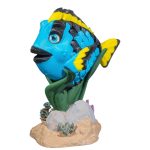
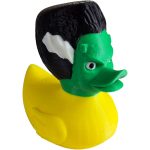
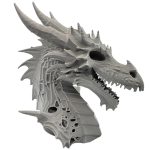
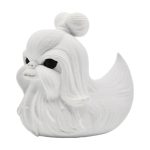
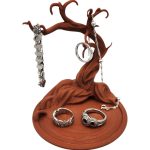
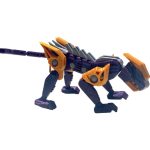
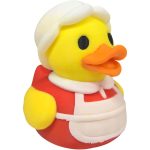
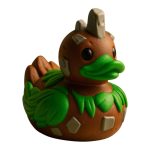
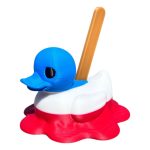
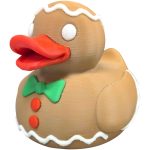
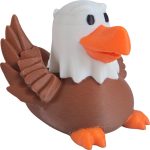
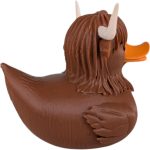
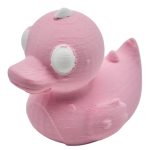
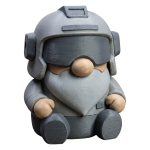
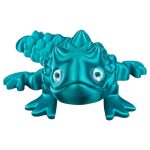
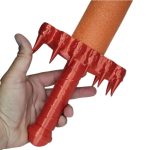
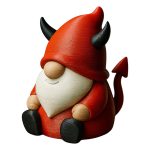
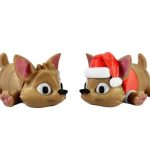
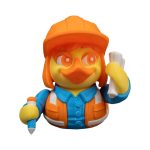
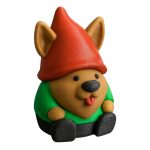
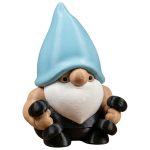
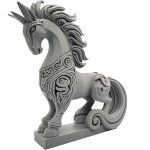
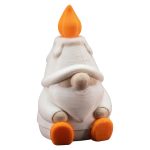
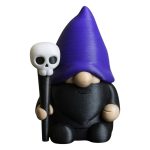
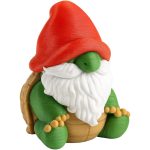
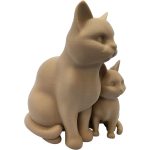
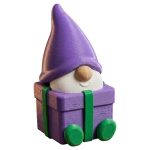
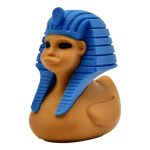
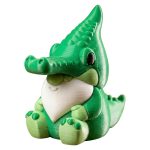
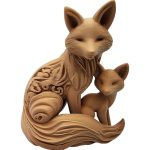
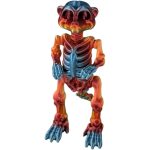
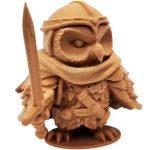
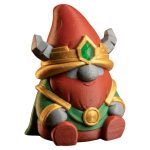
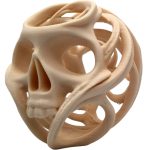
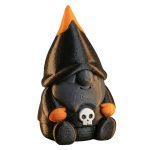
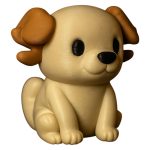
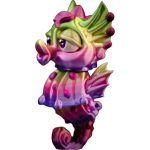
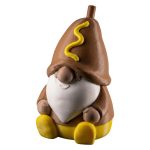
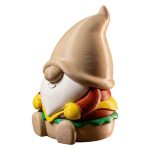
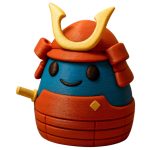
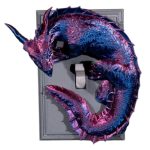
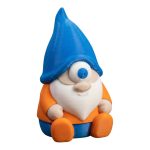
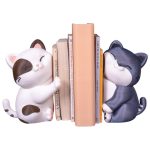
Spring arrives and with it comes the annual impulse to refresh, reorganize, and renew. For 3D printed collectible owners, spring cleaning is more than dusting and decluttering — it is an opportunity to assess the condition of your pieces, reimagine your display arrangements, discover forgotten favorites buried in storage, and upgrade your presentation infrastructure.
A thorough spring cleaning session with your collection yields benefits that extend well beyond aesthetics. You catch early signs of UV damage before they worsen. You identify display positions that expose pieces to unnecessary risk. You rediscover pieces purchased months ago that never found permanent display positions. And you emerge with a curated, intentional arrangement that reflects your current collecting sensibility rather than a haphazard accumulation of sequential purchases.
Dust Removal: The Right Way
Dust is the most common enemy of displayed figurines, and removing it incorrectly can cause more damage than the dust itself. Different figurine geometries require different cleaning approaches.
Smooth Surfaces
For figurines with predominantly smooth, broad surfaces — simple geometric shapes, minimally detailed characters — a soft microfiber cloth provides the most effective cleaning. Wipe gently in one direction rather than circular motions to avoid pushing dust into surface layer lines. A slightly damp microfiber cloth picks up fine dust more effectively than a dry one, but dry the piece immediately afterward. PLA tolerates brief moisture contact without issue, but prolonged dampness can affect surface finish on some colors.
Intricate Details
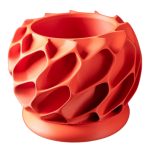
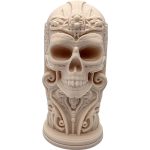
Figurines with deep relief, fine surface detail, or recessed areas require targeted cleaning tools. A soft makeup brush (the type used for powder application) reaches into crevices without scratching. Compressed air in short, controlled bursts dislodges dust from the deepest recesses of intricate designs — hold the can upright and maintain at least 10 centimeters of distance to avoid propellant residue on the figurine surface.
Articulated Joints
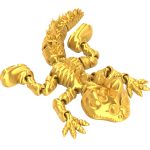
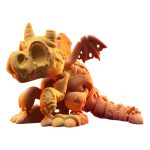
Articulated figurines accumulate dust in joint mechanisms over time, which can eventually impede smooth motion. A wooden toothpick or bamboo skewer gently dislodges debris from joint clearances without scratching mating surfaces. After clearing visible debris, flex each joint through its full range of motion several times to redistribute any remaining particles away from bearing surfaces. For heavily dust-impacted joints, a brief blast of compressed air directly into the joint gap restores smooth action.
Cleaning Frequency
For open-shelf displays, a light dusting every one to two weeks prevents heavy buildup. Quarterly deep cleaning during seasonal rotation provides thorough maintenance. Glass-enclosed display cabinets require far less frequent attention — dusting the exterior glass and performing interior cleaning once or twice per year suffices.
Condition Assessment: What to Look For
Spring cleaning doubles as an annual condition audit. Systematic examination of each piece identifies developing issues before they become permanent damage.
UV Damage
Sunlight is the primary threat to displayed PLA figurines. UV damage manifests as color fading — typically noticeable first on surfaces facing windows or light sources. Compare sun-facing surfaces to shaded surfaces on the same piece. If color discrepancy is visible, the piece has begun UV degradation. Early-stage fading is cosmetic only, but advanced UV exposure can cause surface brittleness and micro-cracking.
Identify which display positions receive direct or reflected sunlight during any part of the day. Relocate vulnerable pieces to UV-protected positions. Consider UV-filtering window film for rooms with extensive sun exposure and valuable collections.
Structural Integrity
Examine each piece for hairline cracks, particularly at stress concentration points — thin features, overhangs, and joints. PLA can develop micro-cracks over time from thermal cycling (daily temperature fluctuation in the display environment) or from sustained load stress (pieces supporting their own weight at cantilevered angles). Hairline cracks caught early can be stabilized with a thin application of cyanoacrylate adhesive. Advanced cracks may indicate the piece needs repositioning to reduce structural stress.
Surface Condition
Check for discoloration from environmental exposure — yellowing on white pieces, darkening on light colors. Surface stickiness indicates chemical degradation, though this is uncommon in normal indoor environments. Any piece showing unusual surface changes should be moved to a climate-controlled display position away from temperature extremes and humidity fluctuations.
Reorganizing by Theme and Season
Spring cleaning is the natural trigger for a full display reorganization. Pack away winter and holiday-themed pieces and bring forward spring and nature-inspired figurines.
Spring Themes
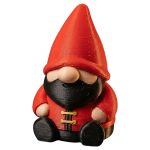
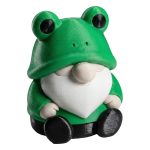
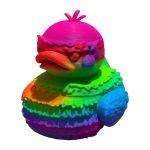
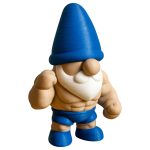
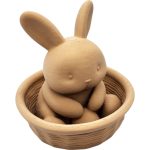
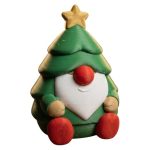
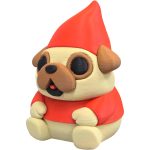
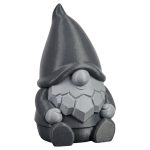
Garden gnomes, flower-themed ducks, woodland animal figurines, and nature-inspired designs feel contextually appropriate as the weather warms. Green, pastel, and earth-toned figurines complement the visual environment of a home transitioning from winter insulation to spring openness.
Beyond Seasonal: Thematic Curation
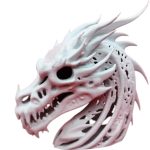
Consider reorganizing your entire display by theme rather than purchase chronology. Group all duck figurines together for maximum visual impact. Create a dedicated fantasy shelf for dragons and mythical creatures. Cluster gnome variants into a gnome village arrangement. Thematic grouping creates cohesive visual narratives that enhance the perceived quality of every individual piece within the group.
The “Rediscovery” Rotation
Most collectors own pieces that have been in storage or in low-visibility display positions for extended periods. Spring cleaning is the time to bring these forgotten favorites back into primary display rotation. A figurine you have not seen in months feels fresh and exciting when reintroduced to a prominent shelf position — the novelty of rediscovery rivals the excitement of a new purchase.
Upgrading Your Display Infrastructure
If your current display setup feels outdated, cluttered, or inadequate for your growing collection, spring cleaning is the natural time to invest in improvements.
Lighting Additions
If your shelves lack dedicated lighting, adding LED strip lights or battery-powered puck spots transforms the presentation quality immediately. Even the finest figurines look flat and lifeless in dim, shadow-casting ambient light. Dedicated display lighting creates gallery-quality presentation that enhances the appearance of every piece in the collection.
Shelf Expansion
Growing collections eventually outpace existing display surfaces. Adding floating shelves, a dedicated display cabinet, or a bookcase devoted to figurines provides both immediate display space and room for future acquisitions. Consider depth — shelves between 15 and 20 centimeters deep accommodate most figurine sizes with room for front-to-back depth staging.
Risers and Stands
Acrylic risers, small wooden platforms, and tiered display stands add height variation to flat shelves. These inexpensive accessories create visual hierarchy within groupings, allowing smaller pieces to maintain visibility behind taller ones. Rotating display turntables for showcase pieces add motion and allow 360-degree appreciation without physical handling.
Cataloging and Inventory
Spring cleaning is the ideal time to update your collection inventory. As you handle each piece for cleaning and inspection, record or verify the following details:
- Design name and artist: Track which community artists and original designs comprise your collection.
- Material and color: Useful for insurance documentation and replacement ordering.
- Acquisition date: Establishes collection timeline and helps identify vintage or retired pieces.
- Condition notes: Track any damage, UV exposure, or repairs for ongoing monitoring.
- Display assignment: Record which shelf or zone each piece occupies for rotation planning.
A maintained inventory becomes increasingly valuable as collections grow. It prevents accidental duplicate purchases, identifies collecting patterns and gaps, and provides documentation for insurance purposes on larger collections.
For collectors looking to expand their collection during spring refresh, the 3DCentral shop features over 4,000 designs across all categories. The Mystery Box subscription offers monthly curated surprise selections that naturally build collection diversity — a fitting complement to the intentional curation of spring reorganization.
All pieces are printed at our facility in Laval, Quebec, and shipped across Canada and the US. Learn more about 3DCentral and our commitment to Canadian manufacturing.
Frequently Asked Questions
Q: How do I remove stubborn marks or stains from PLA figurines? A: For most surface marks, isopropyl alcohol (rubbing alcohol) on a cotton swab gently dissolves residue without damaging PLA. Test on an inconspicuous area first. For adhesive residue from stickers or tape, a small amount of cooking oil loosens the adhesive, followed by a wipe with isopropyl alcohol to remove the oil. Avoid acetone, which can damage PLA surfaces.
Q: Can I repair a broken 3D printed figurine at home? A: Yes. Clean breaks along layer lines can be repaired with cyanoacrylate (super glue) for a nearly invisible fix. For structural repairs requiring gap filling, two-part epoxy provides the strongest bond. Clamp or tape the pieces in alignment while the adhesive cures. For complex breaks with missing fragments, a small amount of UV-cure resin can fill gaps and be sanded smooth after hardening.
Q: How often should I fully reorganize my collectibles display? A: A quarterly rotation aligned with seasonal themes keeps displays fresh and gives all pieces regular time in primary positions. At minimum, a comprehensive reorganization during spring cleaning ensures your display reflects your current collection and aesthetic preferences. Collectors with large collections often find that monthly minor adjustments between quarterly full rotations maintain peak visual interest.