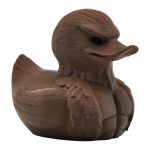
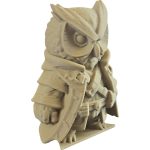
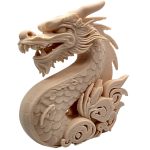
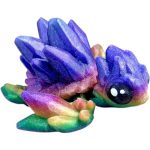
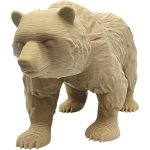
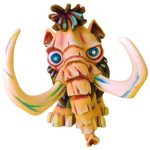
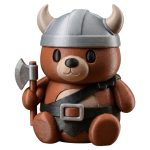
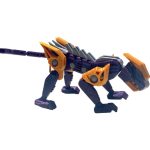
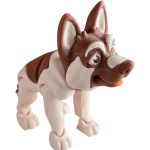
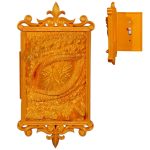
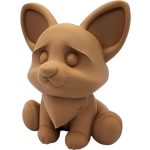
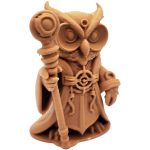
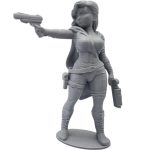
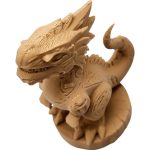
Miniature figures have captivated collectors and gamers for decades. From the hand-painted lead soldiers of the 19th century to today’s precision-molded plastic kits, the appeal of holding a tiny, detailed world in your hands transcends generational boundaries. 3D printing has democratized miniature production, making it possible for anyone with a printer — or access to a production facility — to own and create detailed small-scale figures that rival traditionally manufactured pieces.
Whether you are building an army for tabletop wargaming, creating a display case of tiny collectibles, or running a print farm producing miniatures at scale, understanding the technical requirements and creative possibilities of small-scale 3D printing is essential knowledge.
Understanding Miniature Scales
Scale standardization matters in the miniature world. Different scales serve different purposes, and knowing which scale fits your application prevents disappointment.
28mm Heroic Scale
The dominant tabletop gaming scale. Figures stand approximately 28mm from foot to eye level (32mm to top of head). This scale is the standard for Dungeons & Dragons, Pathfinder, and many popular wargames. Grid-based tactical combat systems typically use 1-inch (25.4mm) squares, and 28mm figures fit these grids proportionally.
FDM printing at 28mm scale is challenging but achievable. Fine details like facial features and small weapons require 0.08mm layer heights and a well-calibrated 0.4mm nozzle. A 0.25mm nozzle dramatically improves detail resolution at this scale but increases print time substantially.
54mm Collector Scale
At roughly 1:32 scale, 54mm figures provide significantly more surface area for detail and painting. This scale is popular among collector-painters who treat miniatures as display art rather than gaming pieces. FDM printers handle 54mm scale with relative ease — even standard 0.16mm layer heights produce acceptable results, though 0.12mm yields noticeably better detail.
75mm Display Scale
The premium display scale. At approximately 1:24, 75mm figures showcase extraordinary detail and serve as centerpiece display items. At this scale, FDM printing truly excels. Standard print settings produce results that look excellent after a coat of primer, and the larger surface area invites ambitious painting techniques.
Micro Scale (15-20mm)
Primarily used for mass-battle wargames where dozens or hundreds of figures occupy the table simultaneously. At this scale, individual detail matters less than overall silhouette recognition. FDM printing can produce serviceable 15mm figures, but expect simplified forms rather than crisp detail.
Print Settings for Miniature Quality
Achieving clean miniature prints on an FDM printer requires precise calibration and patient parameter tuning.
Layer Height
Layer height is the single most impactful setting for miniature quality. At 0.08mm, layer lines become nearly invisible after priming. At 0.12mm, they are present but easily smoothed with primer. At 0.16mm, layer lines are visible but acceptable for gaming pieces viewed at arm’s length. Below 0.08mm, diminishing returns set in as print time increases dramatically with minimal visible improvement.
Print Speed
Slow and steady wins at miniature scale. Speeds of 25-35mm/s for perimeters and 40-50mm/s for infill produce cleaner results than faster settings. Rapid acceleration and deceleration at miniature dimensions causes ringing artifacts — ghosted impressions of sharp features — that are disproportionately visible on small surfaces.
Cooling and Temperature
Maximum part cooling is critical for miniatures. Overhanging features like outstretched arms, capes, and weapon blades rely on rapid solidification to maintain shape. Set cooling fans to 100% for PLA miniatures (reduce slightly for PETG to maintain layer adhesion).
Nozzle temperature should sit at the lower end of the filament’s recommended range. Lower temperatures reduce oozing and stringing between small features. For PLA miniatures, 195-205 degrees Celsius typically produces the cleanest results.
Support Strategies
Miniatures almost always require support structures. Tree supports, available in most modern slicers, generate less contact area than traditional line supports and are easier to remove cleanly. Place the miniature on a raft for bed adhesion stability, and orient the model to minimize support contact with visible surfaces (typically, face and chest areas should face away from the build plate).
FDM vs. Resin: An Honest Comparison
The miniature printing community often debates FDM versus resin (SLA/MSLA) printing. Both technologies have legitimate strengths at miniature scale.
Resin printers produce finer detail resolution — their XY precision (measured in microns from the LCD pixel grid) exceeds what any FDM nozzle can achieve. For competition-grade display miniatures where every facial wrinkle and armor rivet must be perfectly crisp, resin printing is the current gold standard.
However, FDM miniatures are entirely viable for gaming, casual collection, and display. After priming and basic painting, the difference between a well-printed 0.08mm FDM miniature and a resin miniature is far less dramatic than raw print comparisons suggest. The primer fills micro-layer lines, and paint adds surface texture that obscures remaining artifacts.
FDM also offers advantages resin cannot match: a wider material color palette, no toxic resin handling, no post-processing with isopropyl alcohol and UV curing, and significantly lower consumable costs for large production runs. For print farms producing miniatures at volume, FDM’s reliability and lower operational complexity make it the practical production choice.
At 3DCentral’s facility in Laval, Quebec, the fleet of 200+ FDM printers can produce hundreds of miniature figures per day with consistent quality — a throughput difficult to match with resin printers at equivalent cost.
Painting: The Great Equalizer
Painting transforms printed miniatures regardless of print technology. A well-painted FDM miniature looks better than an unpainted resin miniature every time. Even basic painting skills dramatically improve the visual impact of any 3D printed figure.
The Primer Foundation
Spray primer (gray or black) serves two functions: it provides a consistent surface for paint adhesion, and it fills micro-layer lines. Two thin coats of automotive-grade spray primer, allowed to fully cure, create a surface that accepts miniature paints smoothly and hides most FDM layer artifacts.
Base Coating
Block in the major color areas with thin, even coats. Thin your paints with water (for acrylics) to approximately a milk-like consistency. Two thin coats produce better results than one thick coat. Allow each coat to dry fully before applying the next.
Washing for Depth
Ink washes — heavily thinned dark paint — flow into recesses and crevices, creating instant shadow effects that add tremendous depth and visual complexity. A single wash over a base-coated miniature can transform it from flat and lifeless to three-dimensional and engaging.
Dry Brushing for Highlights
Dry brushing involves loading a brush with paint, wiping most of it off on a paper towel, then lightly dragging the nearly-dry brush across raised surfaces. The technique deposits paint only on edges and high points, creating highlight effects that emphasize surface detail.
Building a Miniature Display Collection
Miniature collecting extends well beyond gaming. Many enthusiasts build curated display collections organized by theme, scale, or artistic style.
Display Methods
Shadow boxes with multiple compartments create organized, dust-protected presentations for micro and 28mm miniatures. Printer’s type trays (the shallow wooden drawers historically used to store metal type) have become popular display frames for miniature collections. Glass-fronted display cabinets with adjustable shelving accommodate larger 54mm and 75mm pieces.
For collectors already displaying pieces from 3DCentral’s figurines collection or gnomes collection, adding a miniature section to the display provides visual scale contrast that draws the eye. A shelf of standard-sized collectible ducks next to a shadow box of tiny 28mm duck miniatures creates an engaging visual conversation.
Themed Collections
Organizing miniatures by theme creates narrative displays that tell stories. A medieval village scene, a dragon’s hoard diorama, or a series of character miniatures representing different professions or cultures transforms individual pieces into a cohesive artistic statement. The 3DCentral shop features designs across multiple themes that can anchor or complement miniature display projects.
Production at Scale
For print farm operators, miniatures represent a high-volume, high-margin product category. Individual pieces print quickly (30 minutes to two hours depending on scale and complexity), material cost per unit is low, and demand from the tabletop gaming community is strong and consistent.
The Commercial License from 3DCentral provides access to miniature-compatible designs tested across production environments. Batch printing — filling build plates with multiple miniatures per print run — maximizes throughput and minimizes operator intervention.
Quality control at miniature scale requires attention to detail. Establish a grading standard for your output: gaming-grade pieces with minor artifacts ship at one price point, display-grade pieces with flawless surfaces command a premium. This tiered approach minimizes waste and serves multiple market segments simultaneously.
Frequently Asked Questions
Q: Can FDM 3D printers produce miniatures detailed enough for tabletop gaming? A: Yes. FDM printers using 0.08-0.12mm layer heights with a 0.4mm nozzle (or 0.25mm for maximum detail) produce miniatures that are fully game-worthy. After priming and basic painting, FDM miniatures are visually comparable to injection-molded gaming miniatures at normal viewing distance. They will not match resin printer detail at extreme close-up, but for actual tabletop use, the difference is negligible.
Q: What is the best scale for someone new to miniature collecting? A: Start with 75mm (1:24 scale) for display collecting or 28mm for tabletop gaming. The 75mm scale is forgiving for both printing and painting — details are large enough to see clearly and work with comfortably. For gaming, 28mm is the universal standard compatible with the widest range of tabletop systems and terrain.
Q: How should I store unpainted miniatures to prevent damage? A: Store miniatures in compartmentalized containers with soft foam lining. Pluck-foam trays (available from miniature gaming suppliers) allow you to create custom-sized slots for each piece. Avoid storing miniatures loose in bags or boxes where they can contact each other — thin features like swords and staffs snap easily under shifting weight. Keep away from heat sources, as PLA softens at lower temperatures than you might expect.