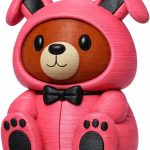
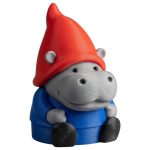
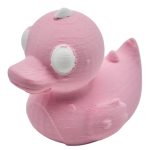
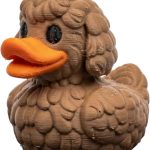
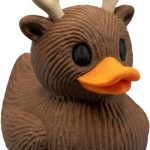
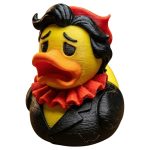
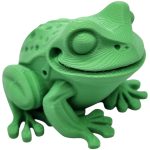
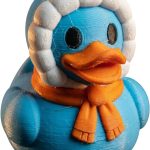
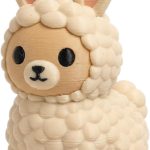
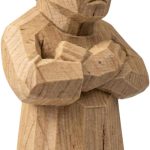
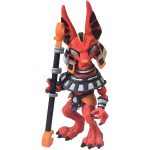
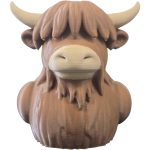
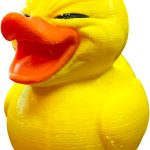
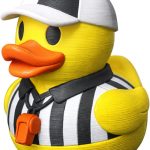
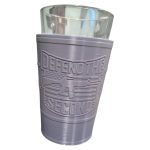
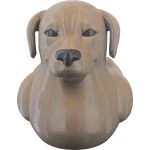
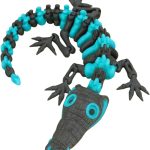
The 3D printed figurine market has expanded enormously over the past few years. Thousands of sellers now offer printed collectibles across platforms like Etsy, Amazon, Shopify stores, and dedicated maker marketplaces. This growth is good for collectors — more choices, more designs, more competitive pricing — but it also means quality varies dramatically from seller to seller.
Knowing how to evaluate 3D print quality before you buy saves money, prevents disappointment, and ensures your collection contains pieces worth displaying. This guide covers the specific technical indicators, seller signals, and material knowledge you need to make confident purchasing decisions across the entire figurine category and beyond.
The Anatomy of a Quality 3D Print
Every FDM (Fused Deposition Modeling) 3D print is built layer by layer, with molten filament deposited in thin horizontal lines that stack to form the final shape. Understanding this process helps you evaluate quality, because the characteristics you are inspecting are direct reflections of how well the printing process was executed.
Layer Height and Surface Smoothness
Layer height is the thickness of each horizontal line deposited during printing. It is measured in millimeters and directly impacts surface appearance.
- 0.12–0.16 mm (fine): Produces the smoothest surfaces with barely visible layer lines. Ideal for detailed figurines where facial features, clothing textures, and fine accessories need to look crisp. Requires longer print times and more precise calibration.
- 0.20 mm (standard): The most common setting for quality figurine production. Layer lines are visible on close inspection but unobtrusive at normal display distances. Good balance between detail and production efficiency.
- 0.24–0.28 mm (draft): Visible layer lines at arm’s length. Acceptable for large decorative pieces but suboptimal for detailed figurines. If a seller’s product photos show pronounced horizontal lines, they are likely printing at this range to maximize production speed.
At 3DCentral, figurines are printed at settings that balance detail quality with structural integrity, calibrated across a 200+ printer facility in Quebec to maintain consistency from piece to piece.
Layer Adhesion
Each layer must bond firmly to the layer below it. Poor adhesion creates weak points where layers can separate — a defect called delamination. On a quality figurine, you should not be able to peel or flake layers apart with a fingernail. The surface should feel solid and continuous when you run your finger across it.
Poor layer adhesion usually results from incorrect printing temperature, insufficient cooling, or worn-out printer components. It is a strong signal that the seller is not maintaining their equipment.
Stringing and Blobbing
Stringing occurs when thin filament threads stretch between separate parts of a print — imagine tiny cobwebs connecting a figurine’s arm to its body, or whiskers of plastic between fingers. Quality producers either tune their printer settings to eliminate stringing or remove it in post-processing. If product photos show visible strings, the seller is not investing in quality control.
Blobbing appears as small bumps or deposits of excess material, usually at points where the printer pauses or changes direction. Minor blobs on the underside of a figurine are acceptable. Blobs on visible display surfaces (faces, chests, fronts of accessories) indicate poor calibration.
Overhang Quality
Overhangs — surfaces that extend outward without support directly below — are the most challenging elements in FDM printing. A duck’s bill, a gnome’s outstretched arm, or a figurine’s flowing cape all create overhangs that test a printer’s capability.
Quality overhangs appear smooth from below with no sagging, drooping, or rough textures. Poor overhangs show visible drooping where gravity pulled the molten filament downward before it solidified. On detailed figurines with many overhangs, this quality indicator separates serious producers from casual sellers.
Material Literacy: What Your Figurine Is Made Of
Not all filament is created equal, and the material choice affects everything from appearance to longevity. Here is what you need to know about the most common materials for decorative figurines.
PLA (Polylactic Acid)
The standard material for decorative 3D printed collectibles. PLA is derived from plant starches (typically corn), holds fine detail well, and has a subtle natural sheen that looks good under shelf lighting. It is easy to print consistently, which contributes to quality reliability.
Best for: Indoor display figurines, detailed pieces, collections kept on shelves and in cases. Limitations: Can soften in sustained temperatures above 60 degrees Celsius. Not ideal for direct outdoor sun exposure over extended periods.
PETG (Polyethylene Terephthalate Glycol)
Tougher than PLA with better resistance to UV light and moisture. PETG figurines hold up better in covered outdoor settings like porches and gazebos. The trade-off is a slightly glossier surface finish and marginally less fine detail compared to PLA at the same layer height.
Best for: Figurines intended for covered outdoor display, pieces that will be handled frequently, children’s rooms where durability matters. Limitations: Slightly more stringing-prone, which demands better printer calibration.
Silk PLA
A PLA variant with additives that create a metallic, silky sheen. Silk PLA figurines catch light beautifully and work particularly well for fantasy-themed pieces, seasonal decorations, and statement display centerpieces.
Best for: Special edition figurines, display centerpieces, gift pieces. Limitations: Slightly softer than standard PLA; detail on very fine features can be marginally less crisp.
Material Red Flag
If a seller lists material only as “plastic” or does not specify material at all, treat this as a warning sign. Quality-conscious producers are proud of their material choices and list them explicitly. Unspecified material typically means the cheapest bulk filament available, which produces inconsistent color, poor layer adhesion, and brittle final products.
Evaluating Sellers: Beyond the Product Photos
Product quality starts with the seller, not the individual piece. Here are the seller-level signals that indicate you are buying from a reliable source.
Product Photography Standards
The single most important seller indicator is product photography. Quality sellers show photographs of actual printed pieces — not digital renders, not 3D model screenshots, not stock photos.
Look specifically for:
- Multiple angles: Front, side, back, and at least one close-up detail shot
- Consistent lighting: Natural or studio lighting that reveals surface texture honestly
- Visible layer lines: Layer lines are a natural characteristic of FDM printing. Sellers who show them are being honest about what you will receive. Sellers who aggressively smooth photos to hide layer lines are misrepresenting their product.
Specification Transparency
Quality sellers list:
- Material type (PLA, PETG, Silk PLA)
- Dimensions (height, width, depth in cm)
- Approximate weight
- Layer height or quality level
- Infill percentage (for structural context)
- Color options and color accuracy notes
Production Infrastructure
Single-printer home operations can produce excellent individual pieces, but consistency across multiple orders is inherently more variable. Print farms with multiple calibrated printers — like 3DCentral’s Quebec facility with over 200 machines — standardize the production process so that piece number 500 matches piece number 1 in quality.
This matters especially if you are building a collection over time. Consistent quality across purchases made months apart means your older pieces and newer pieces display cohesively together.
Shipping and Origin
Domestic manufacturing carries significant advantages for Canadian buyers. Quebec-based production at 3DCentral means 2–5 day order processing, 3–7 day delivery within Canada, and no customs fees or import duties. Compare this to overseas sellers where 3–6 week shipping, customs delays, and difficulty resolving quality issues are common.
Products are also available on Amazon Canada for buyers who prefer Amazon’s fulfillment and return infrastructure.
Return and Replacement Policy
Quality sellers stand behind their work. Look for explicit policies on:
- Replacement for defective or damaged pieces (3DCentral replaces damaged items free of charge)
- Clear communication about on-demand printing timelines
- Responsive customer service channels
Note that made-to-order 3D printed figurines typically do not accept returns for change of mind — this is standard across the industry because each piece is printed specifically for the order. However, defect and damage coverage should be non-negotiable.
The Infill Question: What’s Inside Your Figurine
Infill is the internal structure of a 3D print — the pattern of material inside the outer walls. It affects weight, strength, and to some degree, feel.
- 10–15% infill: Lightweight, suitable for display-only figurines. Adequate for most decorative collectibles.
- 15–20% infill: The standard range for quality figurines. Provides good structural integrity while keeping weight reasonable.
- 25%+ infill: Heavy, solid-feeling pieces. Can indicate that the seller has not optimized their settings, using more material than necessary. Excessive weight is not a quality indicator — it is an efficiency indicator.
A figurine that feels unusually heavy for its size may be over-infilled, which means you are paying for internal plastic that adds no display value. Conversely, an extremely lightweight piece may have thin walls and low infill that compromise structural integrity.
Building a Quality-Focused Collection
Once you can evaluate quality confidently, apply that knowledge to build a collection that displays cohesively and holds up over time.
Start with Proven Categories
Figurines (1,155+ designs), ducks (776+ designs), and gnomes (276+ designs) are the most established categories with the deepest design variety. Starting here gives you the widest selection and the easiest comparison points for evaluating quality across pieces.
Mix Static and Articulated Pieces
Static figurines showcase surface detail and paint quality. Articulated figurines (952+ designs) demonstrate joint engineering and functional quality. A collection that includes both types displays more visual variety and demonstrates different aspects of print excellence.
Invest in Display
Quality figurines deserve quality display conditions. A simple floating shelf with LED strip lighting transforms an adequate display into an impressive one. Consider busts and larger figurines as focal points anchoring your shelves, with smaller pieces filling the surrounding space.
Track Your Collection
Keep a simple spreadsheet or notebook recording: piece name, purchase date, source, material, size, and your quality rating. Over time, this record helps you identify which sources and categories consistently deliver the quality you expect and informs future purchasing decisions.
For Print Farm Operators: Quality at Scale
If you operate a print farm and want to sell figurines commercially, maintaining the quality standards described in this guide across hundreds or thousands of prints requires systematic calibration, material consistency, and quality inspection processes.
3DCentral’s Commercial License at $49.99/month gives you access to production-tested STL files with optimized print settings, eliminating the trial-and-error that typically accompanies quality scaling. The entire catalog of 4,300+ designs is included, from ducks and gnomes to articulated figurines and seasonal pieces.
Frequently Asked Questions
What layer height should I look for in quality 3D printed figurines?
For detailed decorative figurines, look for prints at 0.12–0.20 mm layer height. This range produces smooth surfaces where layer lines are minimal at normal viewing distances. Avoid pieces with visibly pronounced horizontal lines, which indicate 0.24 mm+ draft-quality printing.
How can I tell if a 3D printed figurine is well-made without seeing it in person?
Evaluate product photos for multiple angles showing actual printed pieces (not renders), consistent layer lines, clean overhangs, and no visible stringing. Check that the listing specifies material type, dimensions, and weight. Responsive sellers who answer questions about their printing process are typically confident in their quality.
What is the best material for decorative 3D printed figurines?
PLA is the standard choice for indoor display figurines, offering fine detail and vibrant color. PETG is better for pieces intended for covered outdoor display or frequent handling. Silk PLA adds a metallic sheen that works well for special edition and gift pieces.
How long do 3D printed figurines last?
PLA figurines displayed indoors at room temperature will maintain their appearance indefinitely with basic care. The material does not degrade under normal indoor conditions. Avoid sustained exposure to temperatures above 60 degrees Celsius and prolonged direct sunlight to prevent any softening or color fading.
Does heavier always mean better quality?
No. Excessive weight usually indicates over-infilled prints rather than superior quality. A figurine with 15–20% infill at 0.16–0.20 mm layer height represents the optimal balance of structural integrity and production efficiency. Focus on surface finish and detail quality, not weight.
Internal Links Summary
- /product-category/figurines/
- /shop/
- /product-category/seasonal/
- /product-category/ducks/
- /product-category/gnomes/
- /product-category/articulated-figurines/
- /product-category/busts/
- /license/
- Amazon store link
Summary of All Enhanced Articles
| # | Article Title | Original Words | Enhanced Words | Primary Keywords | Internal Links |
|---|---|---|---|---|---|
| 1 | 3D Printed Gnome Collection: Complete Buying Guide | ~350 | ~2,200 | 3D printed gnomes, gnome collection | 8 |
| 2 | Why Collecting 3D Prints Is the Hobby of the Future | ~350 | ~2,100 | 3D printed collectibles, collecting 3D prints | 14 |
| 3 | Best 3D Printed Duck Brands Compared | ~350 | ~2,000 | 3D printed ducks, duck brands | 7 |
| 4 | How to Choose Quality 3D Printed Figurines | ~350 | ~2,200 | 3D printed figurines, quality 3D prints | 9 |
Common Elements Across All Articles
- Commercial License CTA block included in every article
- FAQ section with 4-5 unique questions per article
- Meta title (50-60 chars) and meta description (150-160 chars) for each
- 2-3 suggested image alt texts per article
- Internal links to product categories, collections, commercial license, and Amazon store
- Target keywords woven naturally throughout headings and body text
- Genuine collector expertise: display tips, care instructions, material properties
- No duplicate FAQ questions across articles