A well-designed display shelf does more than store your 3D printed collectibles — it transforms them into a living gallery that evolves with the seasons. Rather than accumulating figurines on every available surface until your collection feels like clutter, a dedicated seasonal display system keeps your arrangement intentional, fresh, and visually striking throughout the year.
The concept is straightforward: designate a specific shelf or shelving unit as your rotating display zone, curate seasonal groupings from your collection, and swap the arrangement every quarter. The result is a display that never grows stale, figurines that get regular time in the spotlight, and a collecting habit that feels purposeful rather than accumulative.
Choosing the Right Shelf
The physical shelf you select determines the scale and character of every display you build on it. Several factors deserve consideration before purchasing or mounting.
Floating Shelves
Wall-mounted floating shelves in 60 to 90 centimeter lengths are the most popular choice for figurine display. They create clean, gallery-style presentations where the pieces appear to float against the wall without the visual weight of a full bookcase. Three floating shelves mounted at staggered heights — with 25 to 30 centimeters of vertical space between each — provide enough surface area for a substantial seasonal rotation while creating visual rhythm on the wall.
Material and Color Selection
Shelf color sets the backdrop tone for every arrangement. White shelves provide a clean, neutral foundation that lets colorful figurines command attention. Dark walnut or black shelves add drama and create strong contrast with lighter pieces. Natural wood tones offer warmth that suits rustic and nature-themed collections. If your collection spans many color palettes, neutral-toned shelves offer the most versatility across seasonal changes.
Enclosed Cabinets
Glass-front display cabinets protect figurines from dust accumulation while maintaining full visibility. The trade-off is accessibility — seasonal rotations require opening the cabinet rather than simply rearranging open shelves. For collectors in households with curious pets or young children, enclosed display reduces the risk of accidental damage. IKEA Detolf cabinets have become the de facto standard in the figurine collecting community due to their glass construction, built-in lighting compatibility, and accessible price point.
Depth Considerations
Standard floating shelves range from 10 to 25 centimeters in depth. For figurine display, 15 to 20 centimeters provides enough depth for multi-row arrangements without pieces appearing crowded or at risk of falling. Deeper shelves allow greater front-to-back depth staging but require more figurines per shelf to avoid looking sparse.
Arrangement Principles That Create Visual Impact
The difference between a shelf that looks curated and one that looks cluttered comes down to a few reliable design principles.
The Rule of Odds
Group figurines in odd numbers — arrangements of three, five, or seven pieces look more dynamic and natural than even groupings. The human eye finds symmetry in even numbers and rests, while odd groupings create subtle visual tension that keeps attention moving across the display.
Height Variation
Place the tallest figurine slightly off-center within each grouping, then step heights down toward the edges. This creates an asymmetrical arc that feels more organic than a rigid height-sorted lineup. Acrylic risers, small wooden blocks, or stacked books beneath smaller pieces add height variation without additional figurines.
Depth Staging
Position some figurines near the front edge and others toward the back of the shelf. This front-to-back depth creates a sense of scene rather than lineup. Smaller pieces in front and larger pieces behind enhance the depth illusion. Angling pieces slightly toward center rather than facing straight forward creates a sense of interaction between figures.
Negative Space
Resist the urge to fill every centimeter of shelf surface. Breathing space between groups allows individual pieces to be appreciated and prevents the cluttered appearance that undermines even the finest collections. A shelf at 60 to 70 percent capacity looks more curated than one filled edge to edge.
Lighting That Transforms the Display
Proper lighting is the single most impactful upgrade you can make to a figurine display. The difference between a well-lit and an unlit shelf is the difference between a storage surface and a gallery.
LED Strip Lighting
Adhesive LED strip lights mounted along the underside of each shelf illuminate the shelf below, creating even, shadow-free illumination across the display surface. Warm white (2700-3000K) LED strips suit autumn and winter displays with their cozy golden tone. Cool white (4000-5000K) strips enhance spring and summer themes with crisp, daylight-quality illumination.
Puck Spotlights
Battery-powered LED puck lights provide focused accent lighting on individual feature pieces. A single spotlight aimed at your centerpiece figurine creates dramatic shadow effects and draws the eye immediately to your best piece. These wireless lights mount with adhesive strips and require no wiring, making them easy to reposition with each seasonal change.
Smart Lighting
WiFi-connected LED strips with color-changing capability allow your display lighting to shift with the seasons without physically swapping bulbs. Warm amber tones for autumn, cool blue for winter, fresh green for spring, and bright warm white for summer — all adjustable from your phone.
The Quarterly Rotation Schedule
A structured rotation schedule keeps your display fresh and gives you a regular reason to interact with your full collection rather than just the pieces currently on display.
January Through March: New Year and Winter
Pack away holiday-specific pieces and introduce your winter collection. Snowscape themes, cool-toned figurines, and indoor-cozy arrangements suit the post-holiday winter months. This is also an excellent time for a “best of” display featuring your favorite acquisitions from the previous year.
April Through June: Spring Refresh
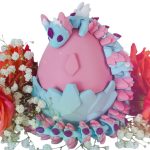
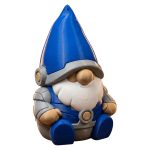
Spring themes bring garden gnomes, floral-colored figurines, animal characters, and nature-inspired pieces to the foreground. Lighter color palettes and more spacious arrangements reflect the season’s energy. Easter and springtime seasonal pieces get their display window during this quarter.
July Through September: Summer and Outdoor
Summer displays can feature brighter, bolder color choices. Beach-themed pieces, vibrant figurines, and playful designs suit the season’s casual energy. This quarter often features the most diverse arrangements as summer collections tend to span many themes.
October Through December: Autumn and Holiday
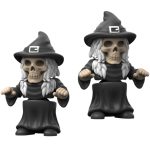
The most display-intensive quarter begins with autumn harvest and Halloween themes in October, transitions through Thanksgiving in November, and culminates with full holiday displays in December. This quarter typically requires the largest figurine selection, making it a natural time for collection expansion. Check the 3DCentral shop for seasonal releases that align with each quarter.
Storage Between Seasons: Protecting Off-Display Pieces
Off-season figurines need proper storage to emerge from rotation ready for immediate display without damage or dust accumulation.
Wrapping and Packing
Wrap individual figurines in acid-free tissue paper or soft microfiber cloths. Avoid newspaper, which can transfer ink to light-colored PLA surfaces. For articulated pieces, pose joints in a neutral, relaxed position before wrapping to avoid stress on joint mechanisms during storage.
Container Selection
Labeled plastic bins with secure lids keep dust and moisture away from stored pieces. Organize by season — one bin per quarter — for efficient rotation swaps. Compartmentalized containers with adjustable dividers prevent figurines from shifting and contacting each other during handling. Egg crate foam cut to fit bin dimensions provides excellent individual piece protection.
Storage Environment
Store bins in a cool, dry location away from direct sunlight, heat sources, and extreme temperature fluctuations. PLA begins softening at approximately 60 degrees Celsius, so avoid attics and locations near heating equipment. Basements and interior closets typically provide the most stable storage environment.
Cataloging Your Collection
As your collection grows beyond a single shelf’s capacity, tracking what you own becomes increasingly valuable. A simple spreadsheet recording each piece’s name, artist, material, color, acquisition date, and assigned season transforms casual collecting into an organized hobby. This record helps you identify gaps in specific seasonal themes, avoid duplicate purchases, and track collection value over time.
For collectors interested in expanding their seasonal rotation with curated surprises, the Mystery Box subscription from 3DCentral delivers a themed selection of collectibles monthly — a natural way to build seasonal variety without the research time of individual piece selection.
Frequently Asked Questions
Q: How many 3D printed figurines do I need for an effective seasonal display shelf? A: A single floating shelf (60-90 cm) displays five to nine figurines comfortably with proper spacing. For a full quarterly rotation across four seasons, a collection of 20 to 36 pieces provides enough variety to create distinct seasonal arrangements without repeating pieces. Start smaller and build gradually — even three to five pieces per season creates engaging displays.
Q: What is the best way to prevent dust buildup on displayed figurines? A: Glass-front display cabinets virtually eliminate dust accumulation. For open shelves, microfiber dusting every one to two weeks keeps pieces clean. Compressed air in short bursts clears dust from intricate details and articulated joints. Seasonal rotation itself helps — pieces spend three quarters of the year in dust-free enclosed storage.
Q: Should I display 3D printed collectibles in direct sunlight? A: No. Prolonged UV exposure fades colors and can cause surface degradation on PLA over time. Position display shelves on walls that receive indirect or ambient light rather than direct sunbeams. If your preferred wall receives direct sun during certain hours, UV-filtering window film provides protection without sacrificing natural light.