Few objects carry as much emotional weight as a faithful representation of a beloved pet. Custom 3D printed pet figurines transform photographs and memories into tangible, three-dimensional keepsakes that capture the personality, breed characteristics, and unique quirks that make each animal an irreplaceable companion. Unlike mass-produced generic breed figurines, custom pieces replicate your specific pet — the particular tilt of their head, the exact proportions of their ears, the way they sit when they are hoping for a treat.
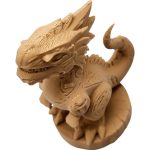
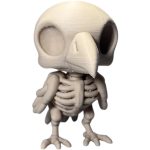
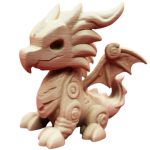
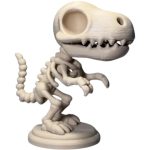
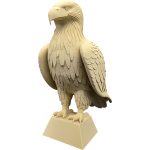
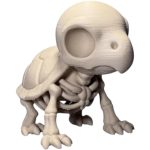
The intersection of digital sculpting and 3D printing technology has made pet figurines one of the fastest-growing segments in custom collectible production. At 3DCentral, our Laval, Quebec facility produces thousands of detailed figurines daily across our 200+ printer fleet, and the figurines collection in our catalog demonstrates the level of detail and personality that professional production achieves in character pieces.
The Custom Pet Figurine Process
Creating a custom pet figurine that genuinely resembles a specific animal requires a structured process that begins with reference imagery and ends with a finished, painted (or printed-in-color) collectible piece.
Reference Photography
The quality of the finished figurine depends directly on the quality of reference photos provided. Professional pet figurine services typically request 8-12 photographs covering front view (face straight-on), both side profiles, rear view showing tail position and body shape, three-quarter views from both sides, top-down view for body proportions, close-ups of distinctive markings, coloring, or features, and at least one photo of the desired pose.
Natural lighting produces the best reference images. Flash photography flattens detail and distorts color. Outdoor photos in open shade provide even, accurate lighting that shows fur texture, color nuances, and facial features clearly. Avoid photos where the pet is partially obscured by furniture, toys, or other animals.
Digital Sculpting
A digital sculptor (either human or increasingly AI-assisted with human refinement) creates a 3D model from the reference photographs. This process involves building the base body form matching the pet’s breed proportions and individual build, sculpting facial features to match the specific animal (muzzle shape, eye size and spacing, ear position and shape), adding fur texture appropriate to the breed (smooth for short-haired breeds, flowing for long-haired breeds), posing the model in the selected position, and refining details like collar, tags, or distinctive markings.
The sculpting phase typically involves at least one review round where the customer sees a digital render of the model from multiple angles and requests adjustments. Getting the face right — particularly the eyes and expression — is the critical factor that determines whether the figurine “looks like” the pet or merely resembles the breed.
Breed-Specific Accuracy
Different breeds present different sculpting challenges. Breeds with distinctive physical features — the pushed-in face of a pug, the elongated body of a dachshund, the coat texture of a poodle — require specific attention to the proportions and details that make the breed recognizable.
Mixed-breed pets often present the most interesting sculpting challenges. Without a breed standard to reference, the sculptor works entirely from the individual animal’s photographs. The result is a figurine that could only represent one specific dog, cat, or other animal — a level of uniqueness that generic breed figurines can never achieve.
Common Pet Types
While dogs and cats dominate the custom pet figurine market, the medium accommodates virtually any animal that can be photographed from multiple angles. Rabbits, hamsters, guinea pigs, birds, reptiles (particularly bearded dragons and geckos), and even horses and goats are all viable subjects for 3D printed figurine production.
Exotic pets often make particularly striking figurines because their physical forms are inherently more unusual and visually interesting than common domestic breeds. A bearded dragon figurine or a parrot in full plumage produces a display piece that draws attention and conversation.
Pose Selection and Emotional Impact
The pose of a pet figurine communicates as much personality as the physical accuracy of the sculpt. Choosing a pose that captures a characteristic behavior transforms the figurine from a generic representation into a piece that immediately evokes the specific animal in the minds of people who knew the pet.
Active and Playful Poses
Pets captured mid-play, running, jumping, or performing a characteristic trick create dynamic figurines with visual energy. A dog in mid-leap catching a frisbee. A cat in the classic pounce position. A rabbit binkying (the distinctive mid-air twist that expresses rabbit joy). These poses are more challenging to sculpt and print but produce the most lively and engaging figurines.
Resting and Observant Poses
Sitting alert, lying in a favorite spot, or the classic “head on paws” position creates figurines with a calm, contemplative quality. These poses are excellent for memorial pieces, where the goal is peaceful remembrance rather than energetic celebration. They are also technically simpler to produce, as the center of gravity is stable and support requirements are minimal.
Signature Behaviors
Every pet has behaviors their owners recognize instantly — the head tilt when confused, the one-paw-raised request for treats, the stretched-out sunbathing position, the territorial stance when the doorbell rings. Figurines that capture these signature behaviors are the ones owners connect with most deeply because they represent not just what the pet looked like but how the pet behaved.
Size Options and Display Considerations
Pet figurines are produced at scales ranging from miniature keepsakes to substantial display pieces. Each size serves different purposes and display contexts.
Miniature (5-8 cm)
Desk-sized figurines that work as everyday companions in workspaces, on nightstands, or as part of small collectible displays. At this scale, major features (body shape, ear position, coloring) are clear, but the finest details (individual whiskers, eye reflections) are simplified. Miniatures are popular as gifts because they are affordable and fit naturally into any space.
Standard (10-15 cm)
The most popular size for display figurines. Large enough to show significant detail including fur texture, facial expression, and body markings, while remaining practical for shelf and mantel display. Standard size figurines serve as the centerpiece of a pet tribute display and are substantial enough to feel like meaningful keepsakes.
Large and Commemorative (20+ cm)
Statement pieces for prominent display. At this scale, every detail of the sculpt is visible — individual fur direction, the texture of a leather collar, the pattern of spots or stripes. Large figurines are often commissioned as memorial pieces for pets who have passed, where the physical presence and detail of the piece contributes to the emotional significance. These pieces may also be finished with professional painting to replicate the pet’s actual coloring with precision.
Material and Finish Options
The choice of material and finish determines the visual and tactile character of the completed figurine.
Monochrome PLA
Single-color PLA printing in a color that approximates the pet’s dominant coloring produces clean, sculptural figurines with an artistic quality. White PLA creates a classic “porcelain” aesthetic. Black PLA produces sophisticated silhouette-style pieces. This approach prioritizes form and detail over color accuracy, creating pieces that read as art objects rather than replicas.
Multi-Color Printing
Multi-color and multi-material printers can produce figurines with color zones matching the pet’s actual coloring — brown body with black saddle markings, orange tabby stripes, or calico patches. While not photorealistic, multi-color printing produces figurines that are immediately recognizable as the specific animal without requiring any post-processing.
Painted Finishes
For maximum realism, raw prints are professionally painted by hand. Acrylic paints matched to the pet’s actual coloring, applied with brush and airbrush techniques, create figurines that closely approximate the animal’s real appearance. Eye details, nose moisture, inner ear coloring, and whisker dots are added with fine brushwork. A clear coat finish protects the paint and adds a subtle sheen. Hand-painted figurines represent the premium tier of pet figurine production and command correspondingly higher prices.
Memorial and Tribute Figurines
Pet figurines serve as beautiful memorial keepsakes for animals who have passed. The physical representation provides comfort and preserves the memory of a beloved companion in tangible form that photographs alone cannot replicate. A figurine occupies physical space in your home, catches light, creates shadow, and provides a focal point for remembrance that a framed photo does not.
Memorial figurines are sometimes commissioned alongside custom bases that incorporate the pet’s name, life dates, and a short inscription. Some designs include a small compartment for a portion of cremation ashes, creating a combined memorial and urn. These deeply personal commissions require sensitivity in execution and careful attention to the owner’s wishes.
For ready-to-ship animal figurines and character collectibles, browse the 3DCentral shop featuring over 4,000 designs including animals, fantasy creatures, and character pieces across the figurines, ducks, and gnomes collections. Print farm operators interested in producing pet figurines and similar character pieces commercially can access designs and production rights through the Commercial License program.
Frequently Asked Questions
Q: How many reference photos are needed for a custom pet figurine? A: A minimum of 8-12 photographs from multiple angles produces the best results. Include front, side, and rear views, plus close-ups of distinctive markings and facial features. The most important photos are the face from directly in front and the three-quarter profile view, as these capture the expression and proportions that make the figurine recognizable. Natural outdoor lighting without flash produces the most useful reference images for accurate color and detail reproduction.
Q: How long does it take to create a custom pet figurine from photos to finished piece? A: The complete process typically takes 2-4 weeks. Digital sculpting from reference photos requires 3-5 business days, followed by a review and revision round (1-3 days depending on adjustments needed). Production printing takes 1-2 days for standard sizes. If professional painting is included, add another 3-5 days for paint application, drying between coats, and clear coat finishing. Rush timelines are available for time-sensitive commissions such as memorial pieces.
Q: Can pet figurines be made from photos of pets who have passed? A: Yes, and this is one of the most common and meaningful applications for custom pet figurines. Clear photographs are essential since the sculptor cannot observe the animal in person to capture proportions and details. If you have video of the pet, screenshots from multiple angles can supplement still photographs. Family members and friends who knew the pet can also review the digital sculpt during the approval stage to ensure the figurine captures the animal’s personality and characteristic expressions accurately.