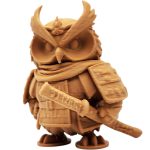
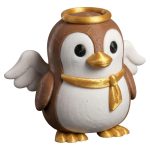
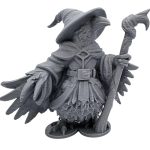
Fantasy figurines represent one of the most dynamic and passionate collecting categories in the 3D printing world. The intersection of imaginative design, advanced printing technology, and a collector base that includes tabletop gamers, fantasy literature devotees, cosplay enthusiasts, and pure art appreciators creates a market where creativity flourishes and the boundaries of what 3D printing can achieve are constantly expanding.
At 3DCentral, our fantasy catalog draws from the work of talented community artists and original designs, all produced at our Laval, Quebec print farm. The result is a collection that spans classical mythology to modern fantasy design, from delicate fairy figurines that challenge manufacturing precision to massive articulated dragons that demonstrate the engineering potential of print-in-place technology.
The Dragon Collection: Where Engineering Meets Art
Dragons dominate fantasy collectible sales, and for good reason. The dragon as a design subject combines dramatic visual appeal with engineering challenges that push 3D printing technology to its limits. The best dragon designs are not just visually impressive. They are technical achievements that demonstrate what additive manufacturing can accomplish.
Articulated Crystal Dragons
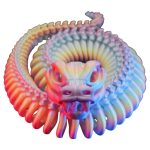
The articulated crystal dragon, most famously designed by Cinderwing3D, has become an iconic piece in the 3D printing community. These dragons feature dozens of interlocking segments printed as a single piece with no assembly required. The joints emerge from the printer fully functional, allowing the dragon to be posed, coiled, draped over surfaces, and manipulated with satisfying tactile feedback.
What makes crystal dragons particularly compelling as collectibles is the variety of interpretations. Different colorways, scale variations, and design iterations create a collecting category within a category. A collector might pursue crystal dragons across color variants, with each new filament color creating a visually distinct piece from the same foundational design.
Eastern vs. Western Dragon Designs
The contrast between Eastern and Western dragon aesthetics provides natural collecting subcategories. Western dragons feature the familiar winged, four-legged, fire-breathing form rooted in European mythology. Eastern dragons follow the serpentine, flowing form of Chinese, Japanese, and Korean traditions. Some designs bridge both traditions, creating hybrid forms that draw from multiple cultural sources.
The elongated, flowing form of Eastern dragons particularly suits articulated 3D printing. Their serpentine bodies translate beautifully into multi-segment articulated designs that can be draped across shelves, coiled on display surfaces, or posed in dramatic curving positions.
Baby Dragons and Hatching Designs
Baby dragon figurines and hatching-from-egg designs occupy a distinct emotional niche in the fantasy category. These pieces combine the drama of dragon mythology with an accessible, endearing quality that broadens their appeal beyond hardcore fantasy collectors. A baby dragon emerging from a cracked egg, a tiny dragon curled sleeping in a nest, or a clutch of dragon eggs in a display arrangement all create visually compelling scenes with strong emotional resonance.
Wizard and Mage Figurines
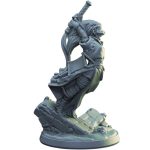
The wizard archetype, with flowing robes, pointed hat, long beard, and magical staff, is one of fantasy’s most enduring visual icons. 3D printed wizard figurines capture this archetype with a level of detail and personality that mass-produced alternatives cannot match.
The Wizard-Gnome Hybrid
One of the most popular design categories in the 3DCentral shop is the wizard-gnome hybrid. These designs combine the proportions and charm of gnome figurines with wizard accessories and magical themes. The result is a uniquely appealing figure that merges two beloved collectible traditions into something that works beautifully as both a standalone piece and part of a larger gnome or fantasy collection.
Wizard gnomes with crystal balls, spell books, wands, and familiars create narrative displays when grouped together. A wizard gnome library scene, complete with multiple reading, casting, and studying gnomes, tells a visual story that pure gnome or pure wizard collections cannot replicate.
Sorcerer and Dark Mage Designs
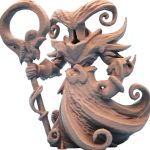
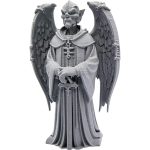
For collectors who prefer a more dramatic aesthetic, dark mage and sorcerer designs offer imposing visual presence. Hooded figures, skull-topped staffs, swirling magical effects, and dramatic poses create display pieces that anchor a fantasy shelf with gravitas. These designs pair effectively with dragon figurines for diorama-style arrangements that depict classic fantasy confrontations.
Mythical Creatures Beyond Dragons and Wizards
The fantasy category extends well beyond its two most popular subcategories into a bestiary of mythical creatures that reflects the full breadth of world mythology and modern fantasy imagination.
Classical Mythology
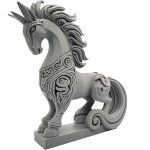
Unicorns, griffins, phoenixes, and krakens draw from classical mythology to create figurines with deep cultural resonance. These creatures carry centuries of storytelling context that enriches their presence on a display shelf. A collector does not just own a phoenix figurine. They own a representation of a symbol that has meant something to human cultures for millennia.
The phoenix in particular has become a popular 3D printed design subject because its spread-wing form creates dramatic display silhouettes, and the fire-associated color palette (red, orange, gold, flame effects) translates beautifully into colorful PLA filament options.
Modern Fantasy Creatures
Contemporary fantasy literature, gaming, and film have expanded the mythical creature catalog far beyond classical sources. Owlbears, mind flayers, beholders, treants, and other creatures from tabletop RPG traditions have active collector followings. These designs appeal to the significant overlap between 3D printing enthusiasts and tabletop gaming culture.
Designs from artists who work across the gaming and collectible spaces, including creators featured in the 3DCentral catalog, bridge these communities by creating pieces that work as display collectibles, gaming miniatures, or both.
Fairy and Sprite Designs
Delicate fairy and sprite figurines represent some of the most technically challenging work in 3D printing. Translucent wings, intricate poses, flowing garments, and tiny scale all push the limits of what FDM printing can achieve. When executed well, fairy figurines showcase the technology’s precision capabilities in a way that more robust designs do not.
Woodland Fairy Scenes
Tiny woodland sprites, flower fairies, and mushroom-dwelling pixies create enchanting miniature scenes when displayed together. A fairy garden arrangement on a bookshelf or in a display case combines multiple small pieces into a coherent scene that rewards close inspection. The level of detail visible at arm’s length in well-printed fairy figurines consistently impresses viewers who associate 3D printing with rougher, more utilitarian outputs.
Scale and Display Considerations
Fairy figurines tend to be smaller than other fantasy pieces, which creates both challenges and opportunities for display. Smaller pieces need closer viewing distances to appreciate their detail, making them ideal for desktop display, glass-fronted cabinets, or dedicated small-scale display shelves. Pairing fairy figurines with appropriately scaled natural elements like small stones, moss, and tiny plants creates immersive miniature environments.
Building Fantasy Dioramas
Individual fantasy figurines become extraordinary when combined into dioramas that tell visual stories. The narrative potential of fantasy themes lends itself naturally to scene-building, and 3D printing provides both the figurines and the accessories (terrain, props, architectural elements) to create complete environments.
Composition Principles
Effective dioramas follow basic narrative composition. A central conflict or moment (a dragon confronting a wizard), an environmental context (a cave entrance, a mountain peak, a forest clearing), and supporting elements (scattered treasure, magical effects, smaller creatures observing) create scenes that engage viewers and invite interpretation.
Scale consistency matters. Pieces from the same artist or design family tend to share consistent proportions. Mixing pieces from very different scale families can undermine the visual coherence of a diorama.
Practical Diorama Construction
Start simple. A three-piece arrangement, perhaps a dragon, a treasure pile, and a single adventurer, creates an effective scene without overwhelming complexity. Add elements over time as you find pieces that enhance the narrative.
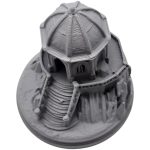
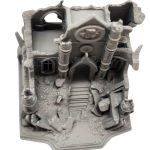
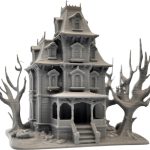
Base plates, terrain pieces, and architectural elements specifically designed for diorama use are available from many of the same artists who create figurines. These complementary pieces are scaled and styled to work with their figurine designs, ensuring visual harmony.
Browse the 3DCentral fantasy collection to discover dragons, mythical creatures, and character designs that bring your fantasy display to life. Our catalog features work from community artists and original designs, all printed at production quality in Laval, Quebec.
Frequently Asked Questions
Q: What are the most popular 3D printed fantasy figurines for collectors? A: Articulated crystal dragons lead the category by a wide margin, followed by wizard and mage figurines, mythical creatures (phoenixes, griffins, unicorns), and fairy or sprite designs. Articulated dragons from designers like Cinderwing3D are particularly popular because they combine visual drama with interactive, poseable functionality.
Q: Can I use 3D printed fantasy figurines for tabletop gaming? A: Many fantasy figurines work beautifully as display pieces and gaming accessories. However, scale matters for tabletop use. Standard tabletop miniatures use 28mm or 32mm scale, while many collectible figurines are significantly larger. Check the dimensions of any piece before purchasing for gaming use specifically.
Q: How should I display a large fantasy figurine collection? A: Group pieces into themed subcollections: dragons together, mythical creatures in another section, character figurines in a third. Create depth by using risers or tiered shelving. LED lighting adds dramatic atmosphere to fantasy displays. Consider building diorama arrangements that tell visual stories rather than simply lining pieces up in rows.